

Exclusive Muir Woods, Napa & Sonoma Valley Wine Tour

Limited Time Only! Save $15 OFF — Use code SUMMER15 at checkout!
The only San Francisco tour that combines 1,000-year-old coastal redwoods at Muir Woods National Monument with award-winning tastings at three boutique Napa and Sonoma wineries — with complimentary hotel pickup, WiFi coach, and an 8-language audio guide included.
Departure: Daily from major San Francisco hotels | Duration: 10 hours | Ages: 6+ | Free Cancellation with 24 hours notice
Highlights
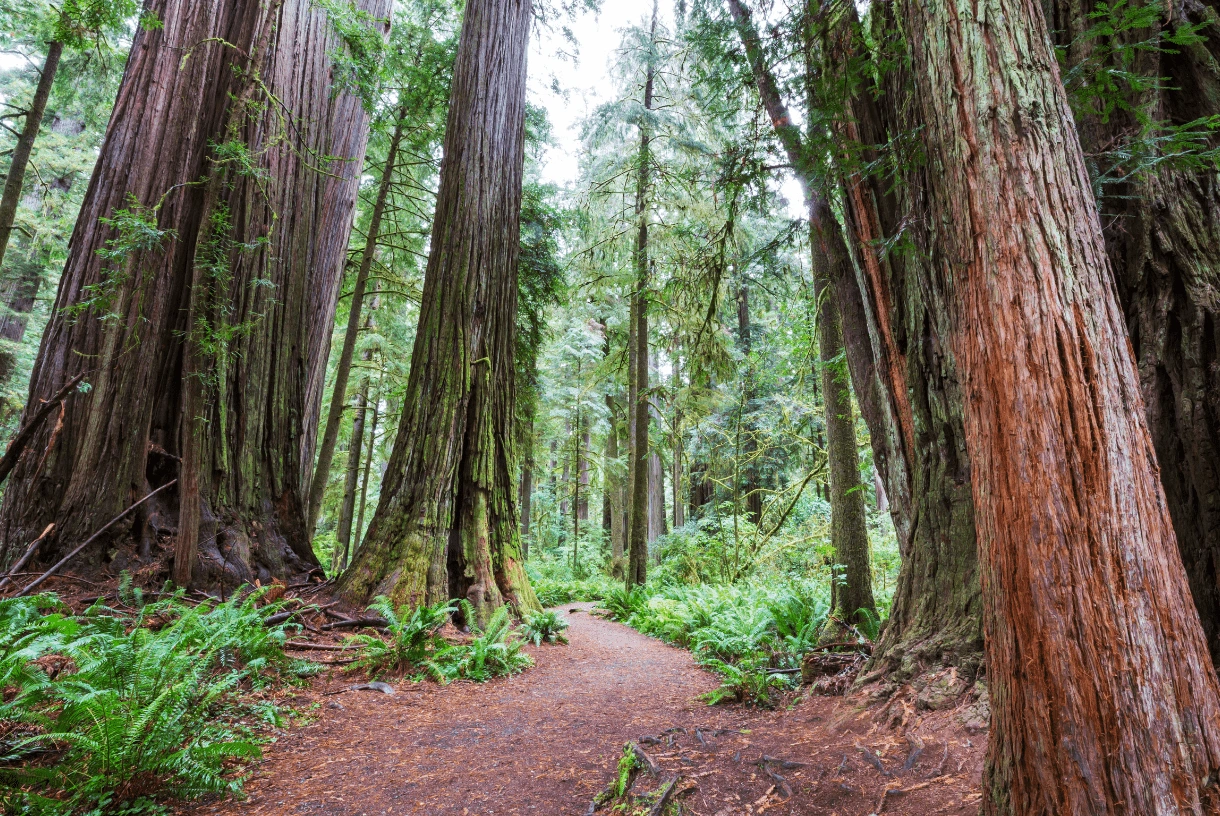
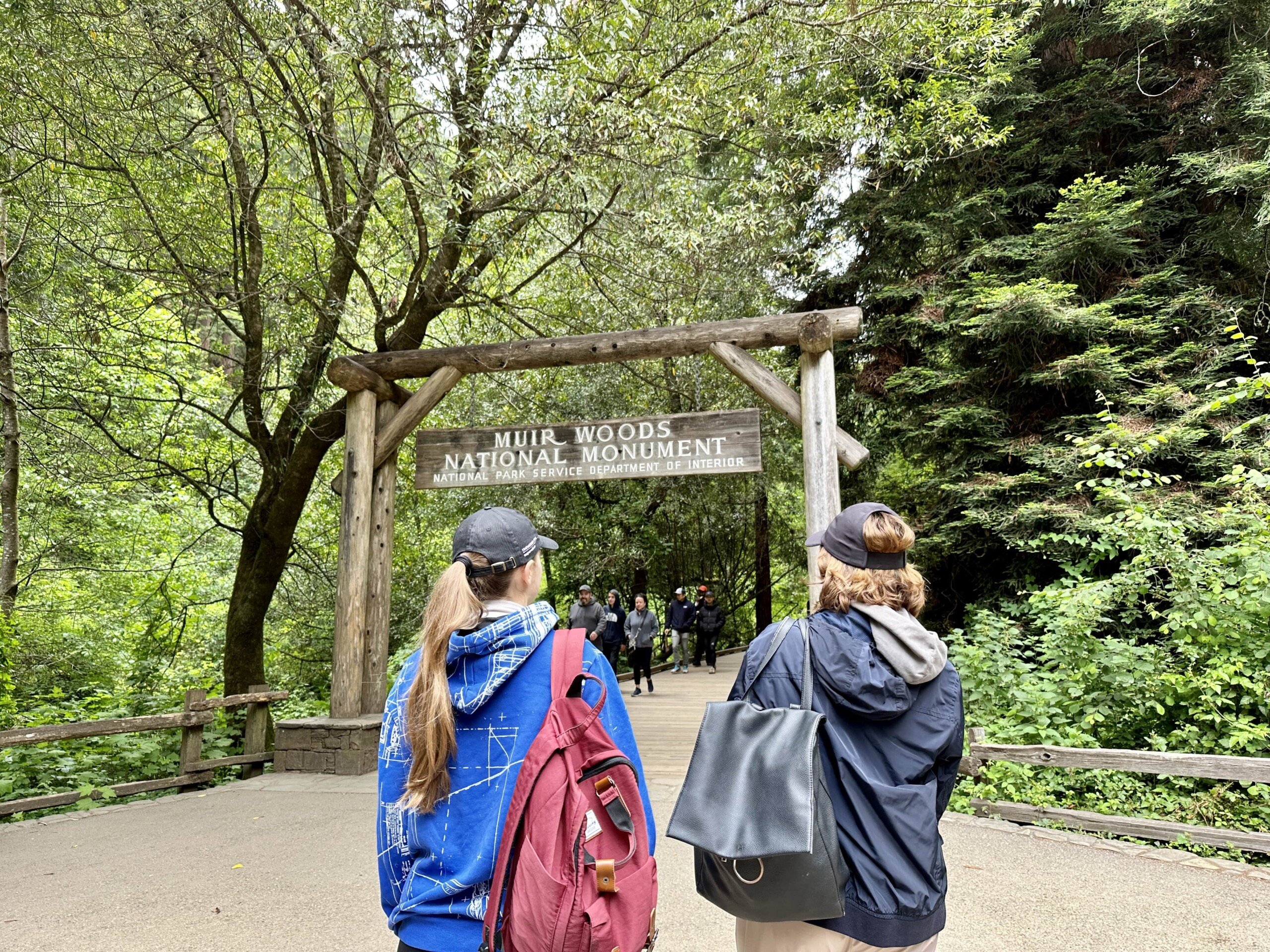
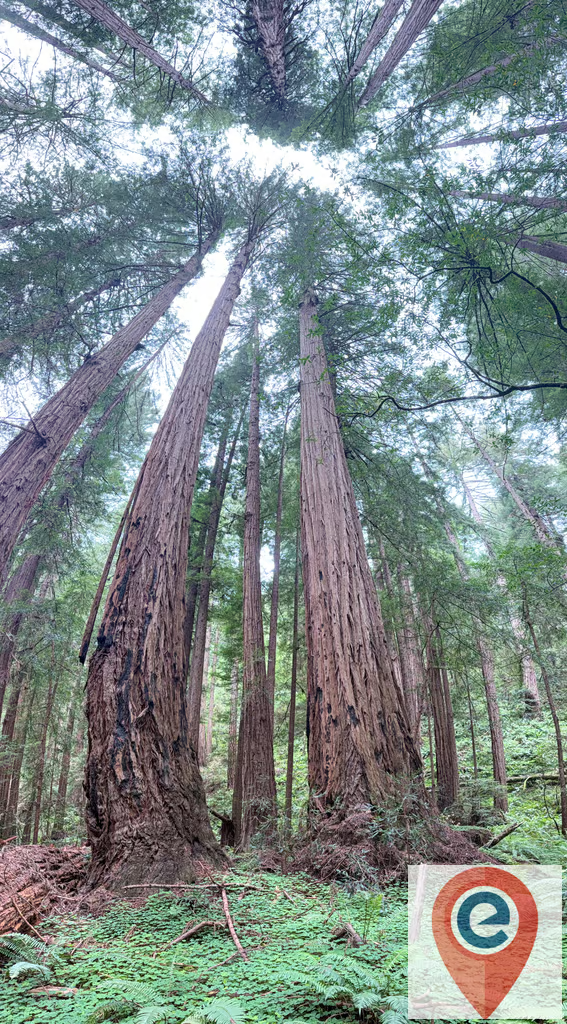
- Walk in awe among ancient redwoods of in Muir Woods National Monument
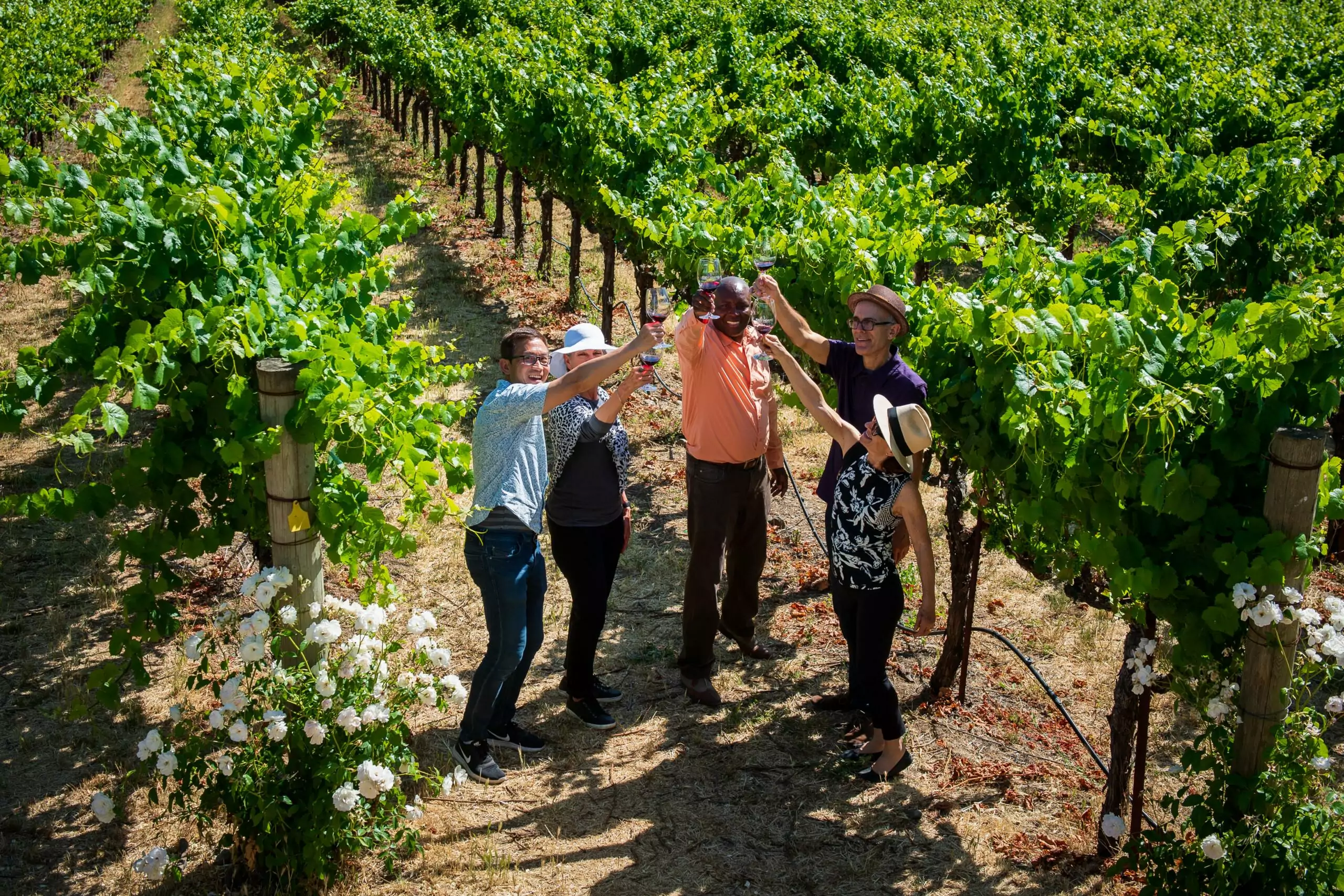
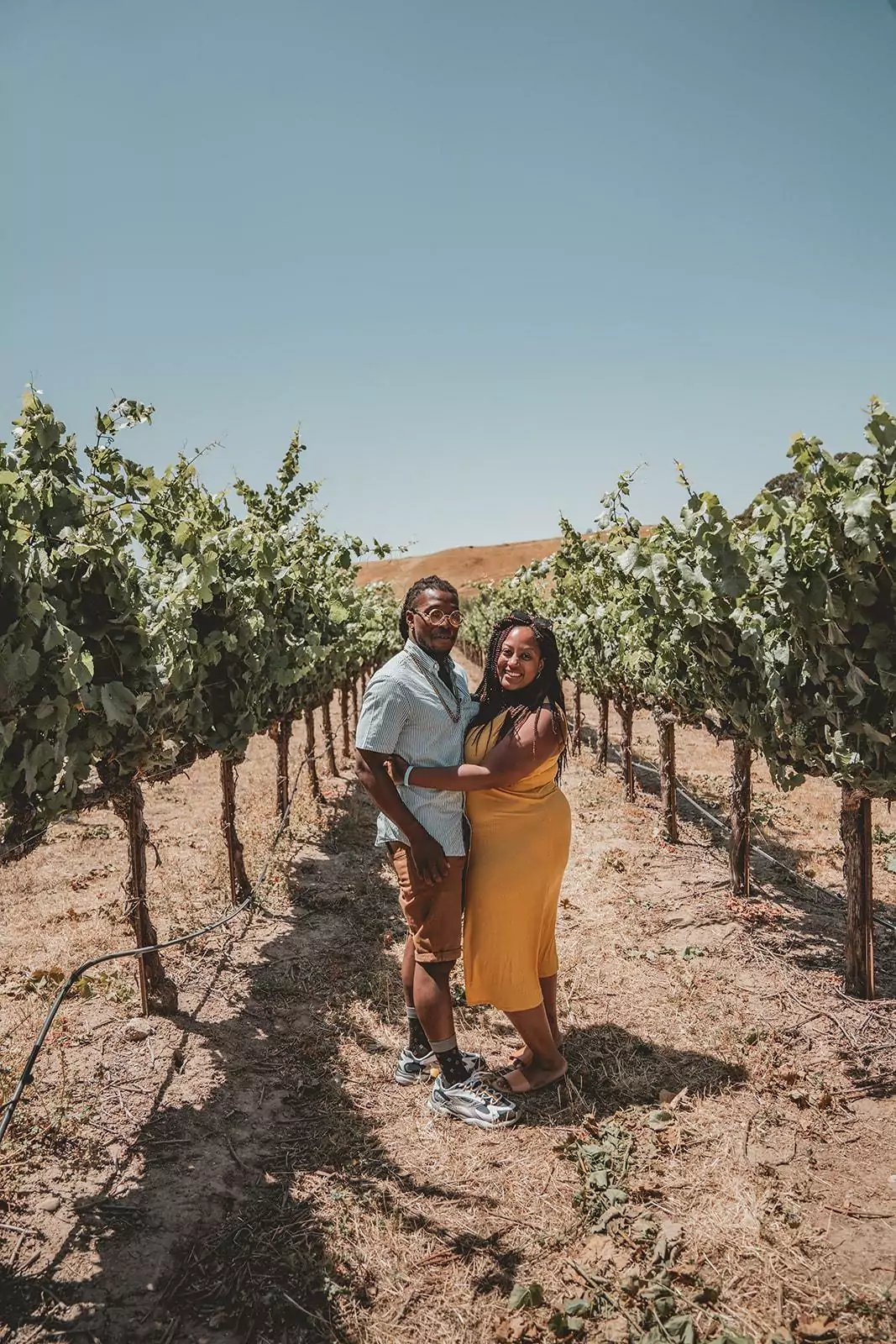
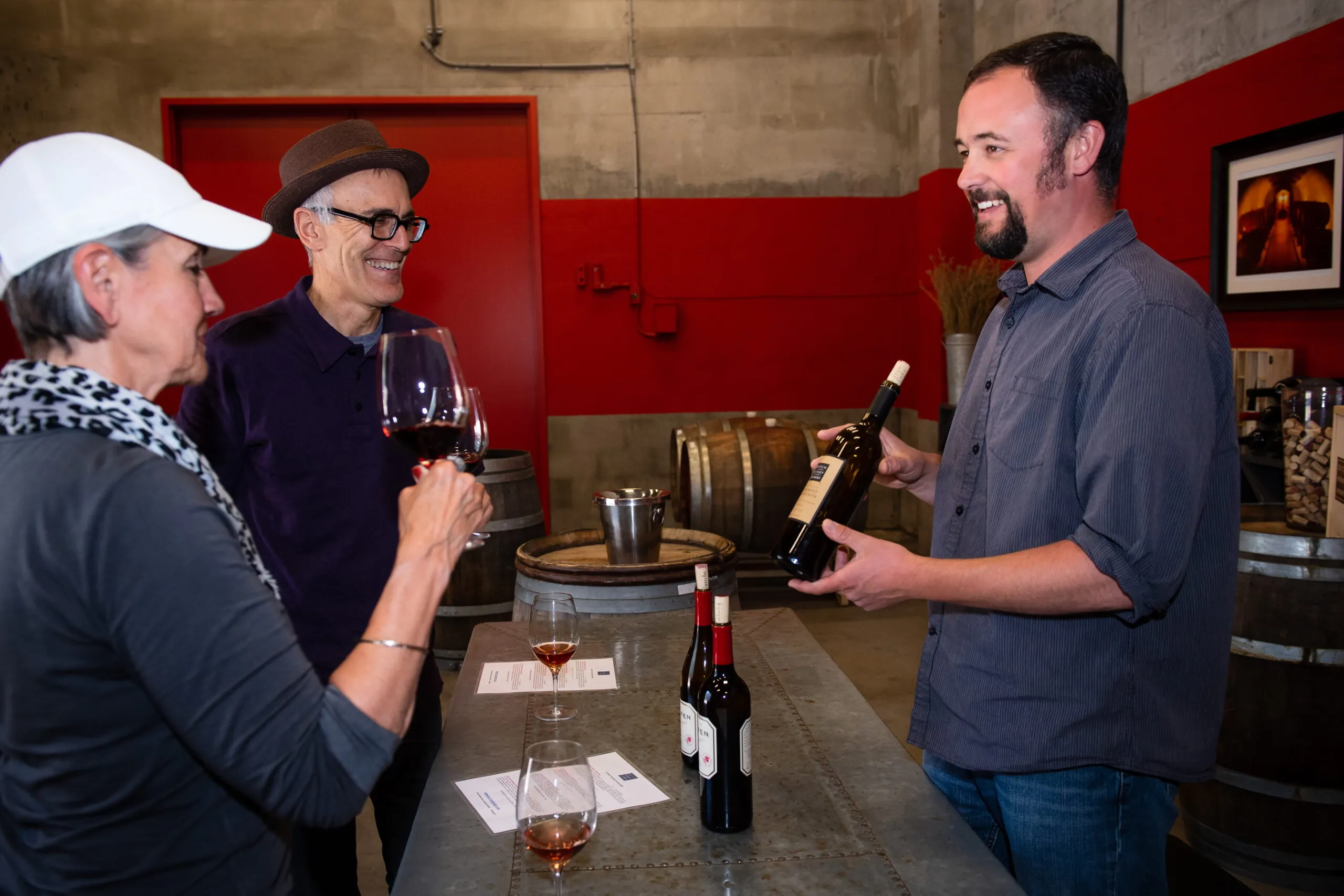
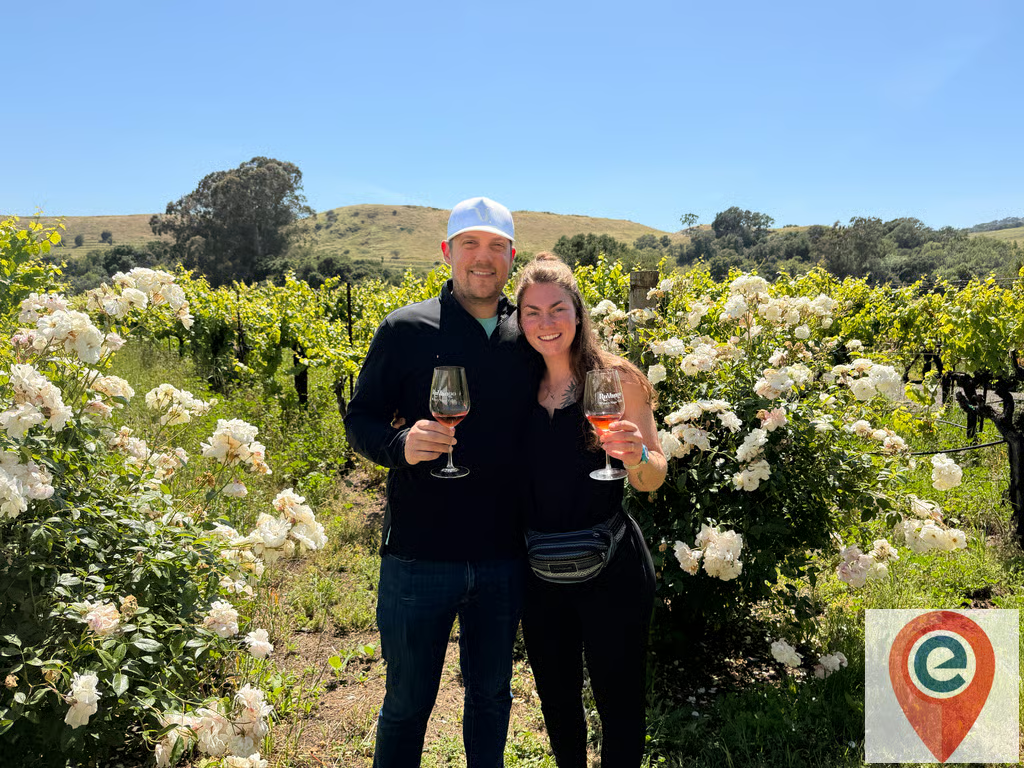
- Taste handpicked wines at three boutique, family-owned Napa and Sonoma wineries
- Explore historic Sonoma Plaza — with time for lunch on your own (or upgrade to our gourmet lunch tour)
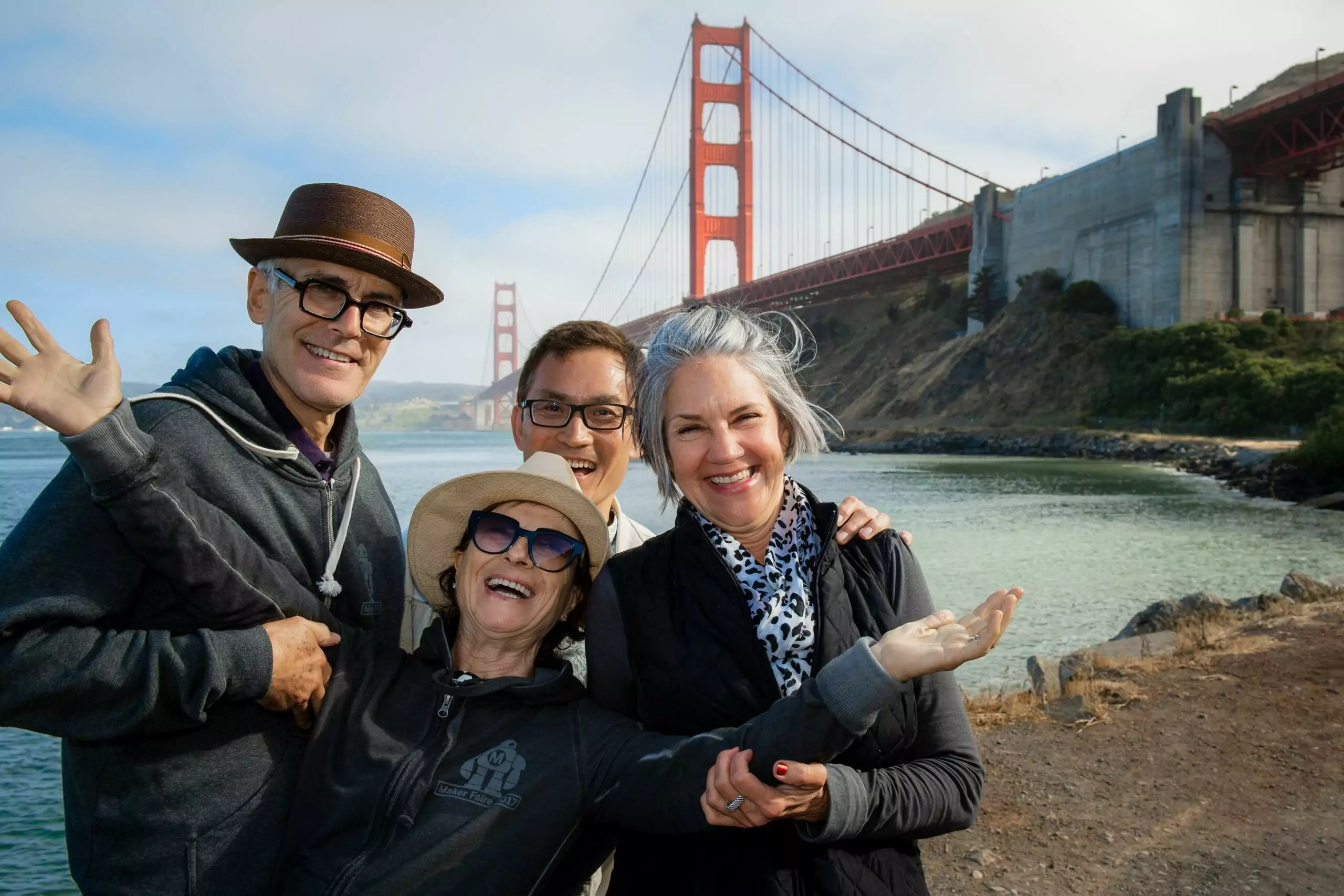
- Capture iconic photos at the Golden Gate Bridge on your return
What Our Guests Are Saying About Us
What's Included
- Pick up at major San Francisco hotels
- One-hour visit to Muir Woods
- Wine tasting fees at three boutique Napa and Sonoma wineries ($100+ in value)
- English-speaking expert guide — live narration throughout the day
- Foreign language audios in 8 languages (Spanish, French, German, Italian, Japanese, Korean, Mandarin, Portuguese)
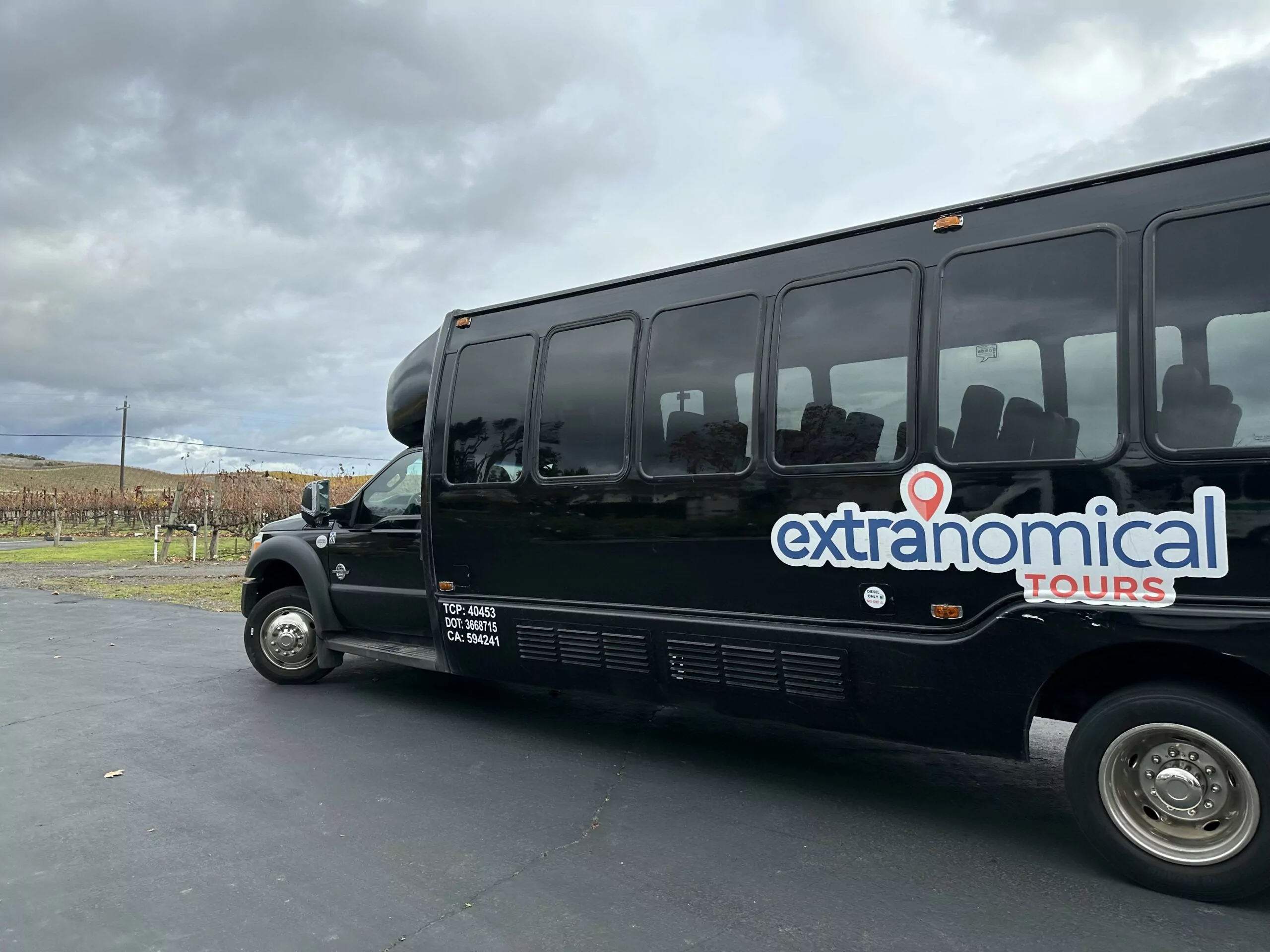
- WiFi on board the comfortable coach
What's Not Included
- Muir Wood entry fee ($15 per adult)
- Meals (see tour with lunch option)
- Guide gratuity
Please note: This tour frequently sells out. Book as soon as possible to guarantee your seat.
Description
This award-winning wine country tour from San Francisco — operating since 2002 with more than 460,000 satisfied guests — begins with complimentary pickup at your downtown hotel.
Your comfortable, WiFi-equipped touring coach features live narration in English and multilingual audio commentary that brings the Golden Gate Bridge, Marin Headlands, Muir Woods, and the vineyards of Napa and Sonoma to life as you travel between stops.
Begin your San Francisco wine tour with a walk among the tallest trees in the world
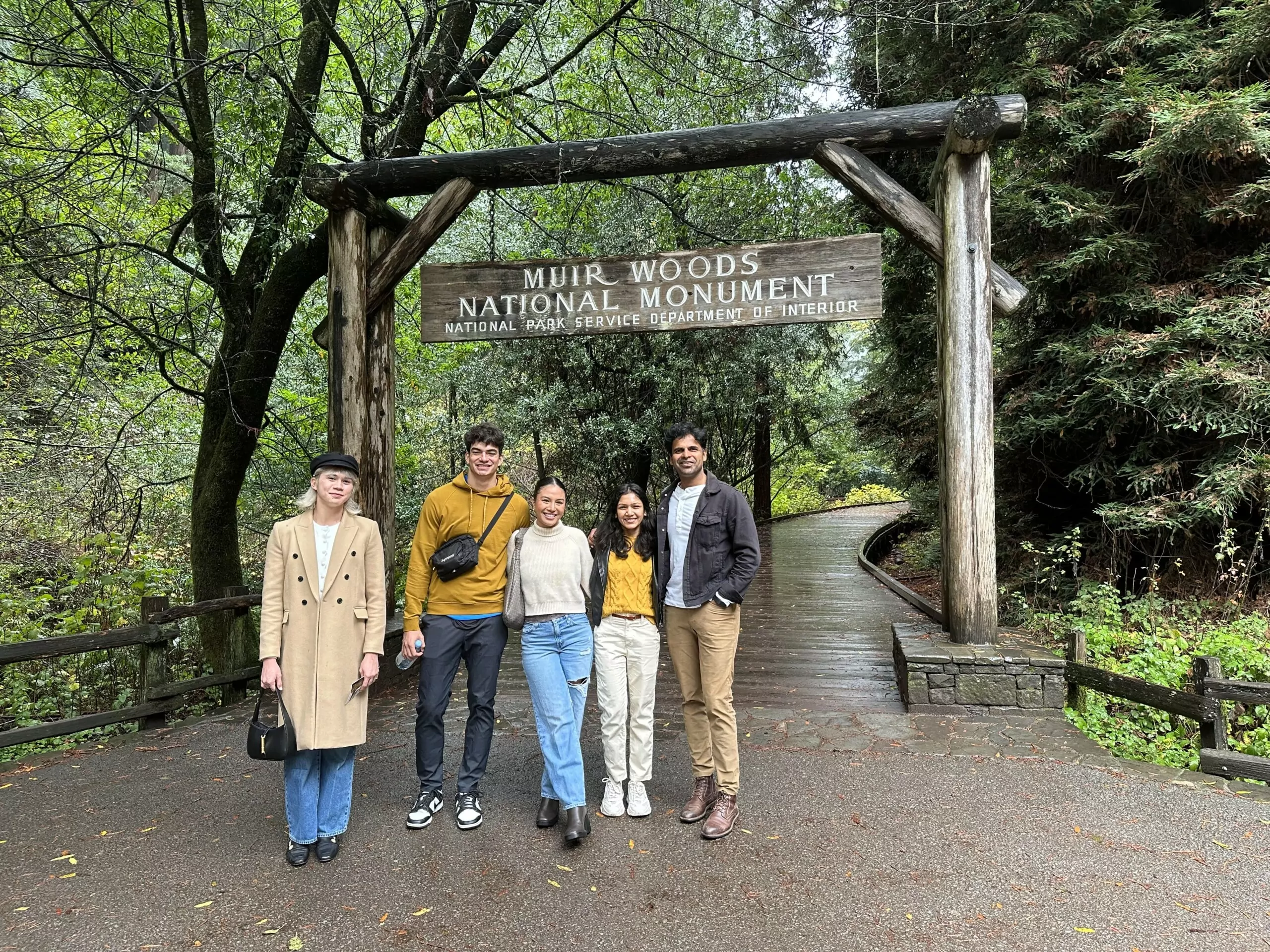
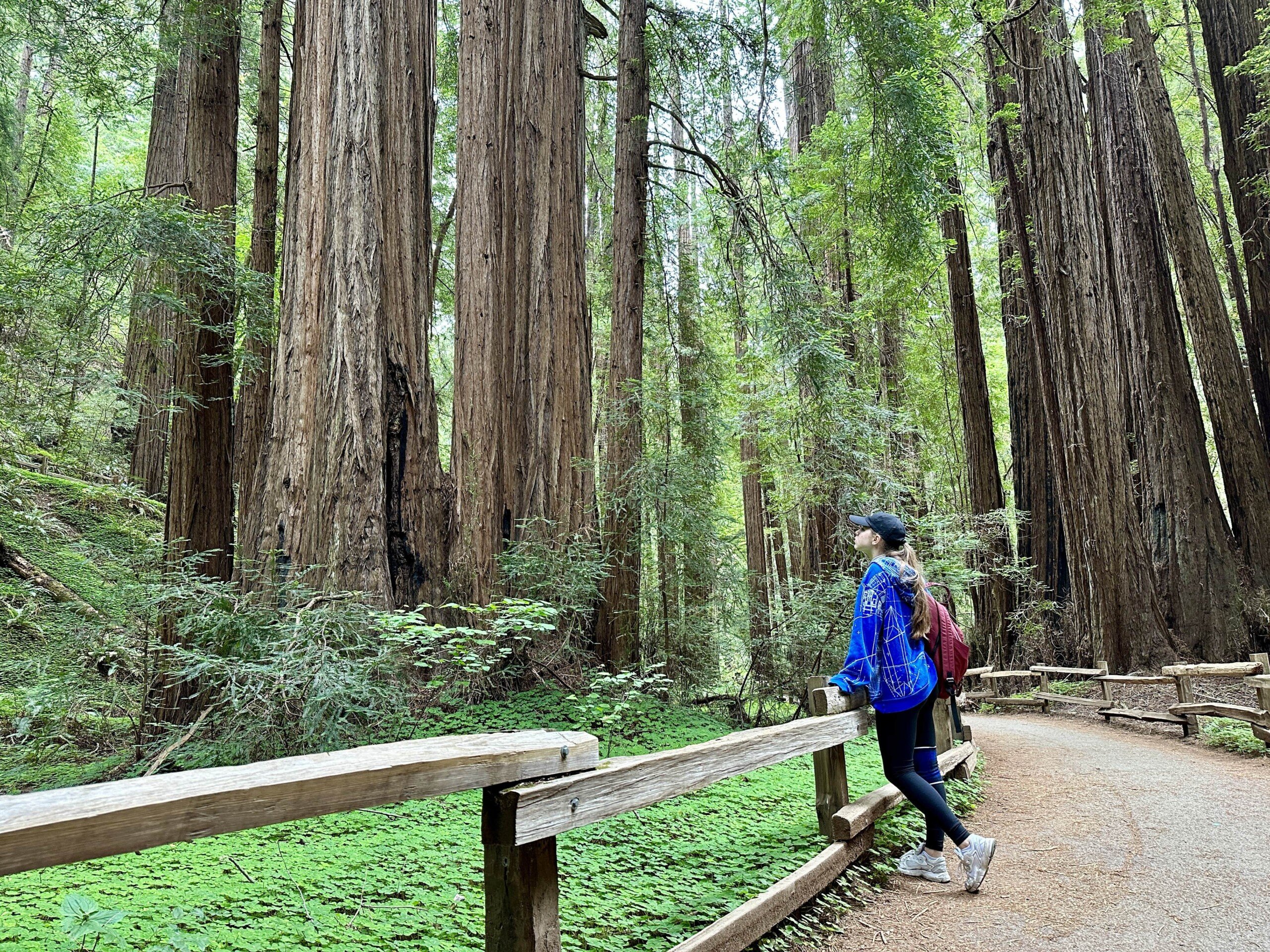
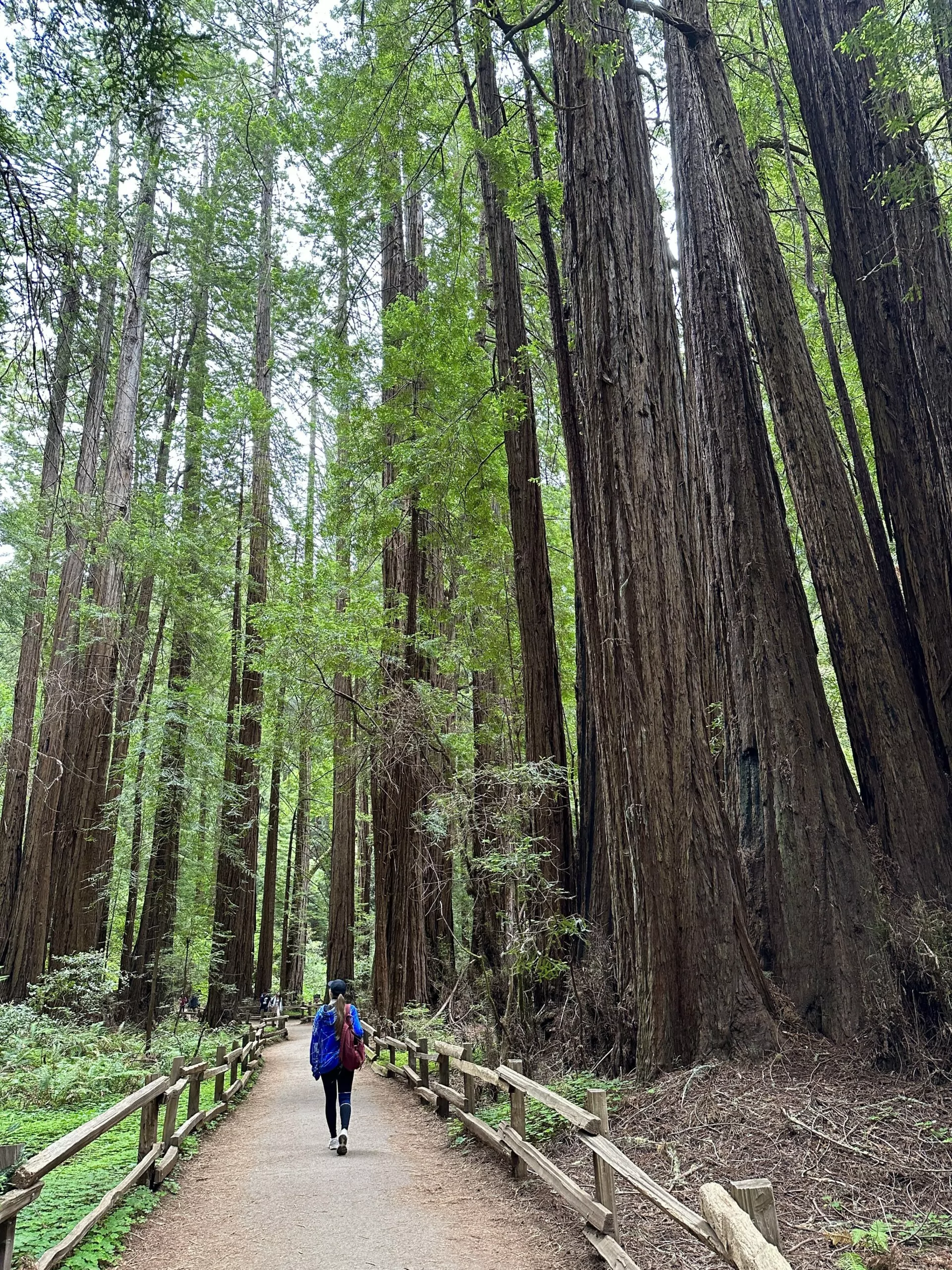
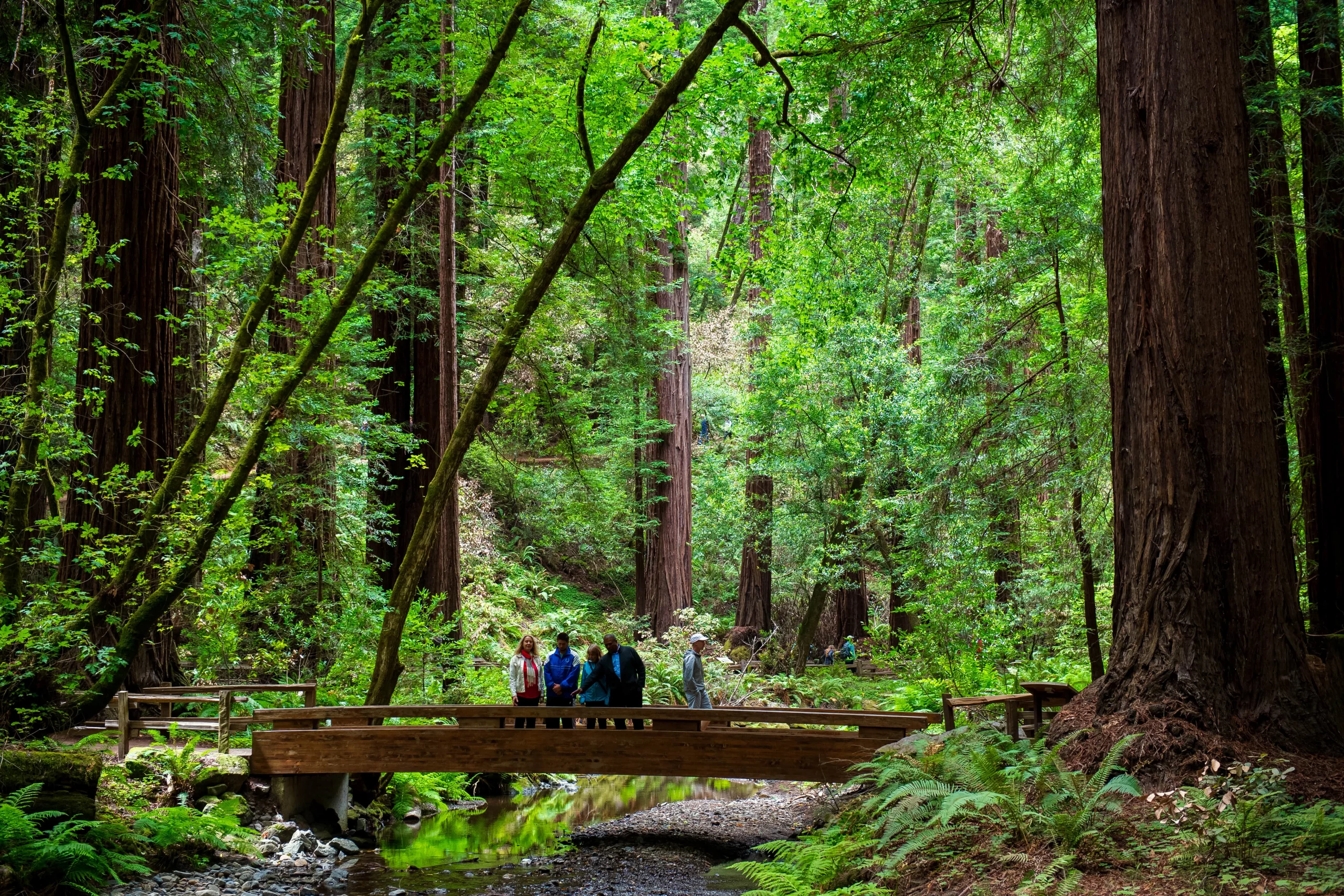
Your San Francisco to Napa Valley tour will begin with a morning stop in Muir Woods National Monument. Take a moment here to breathe in the earthy scent of the ancient redwood trees. Walk the trail to Cathedral Grove alongside the burbling Redwood Creek. Be sure to take lots of photos to remember these spectacular trees!
Toast the day with a Napa Valley wine tasting
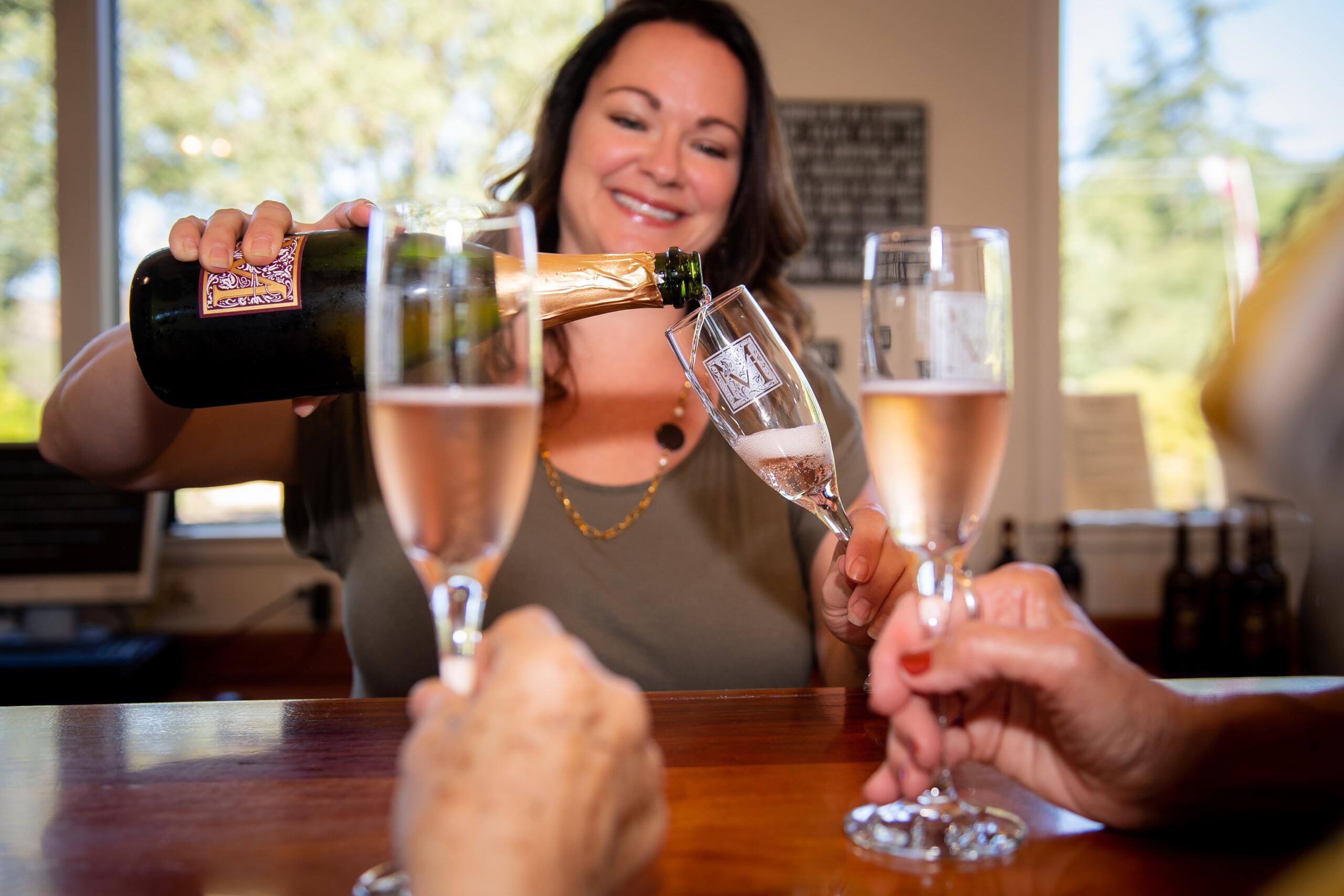
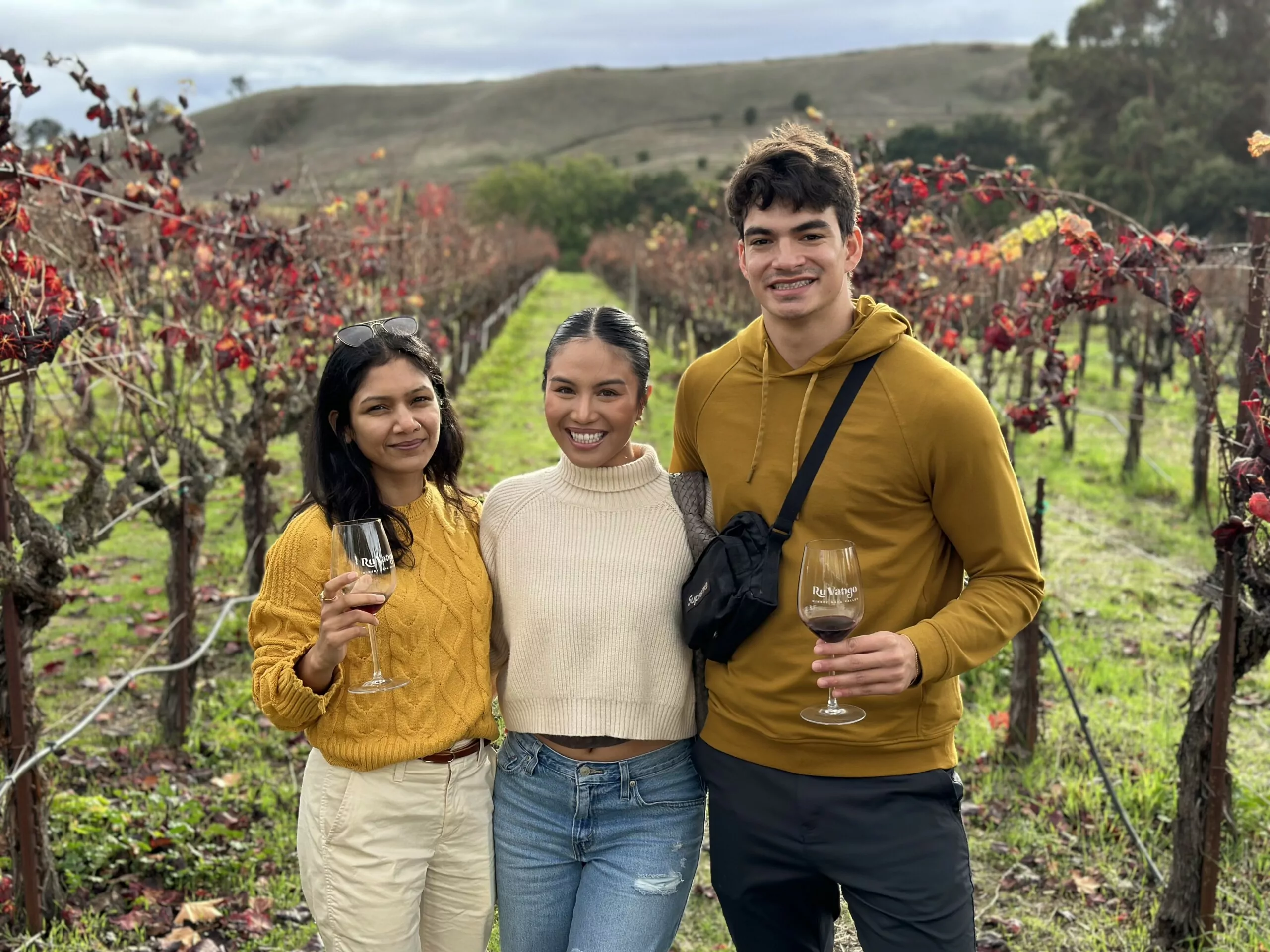
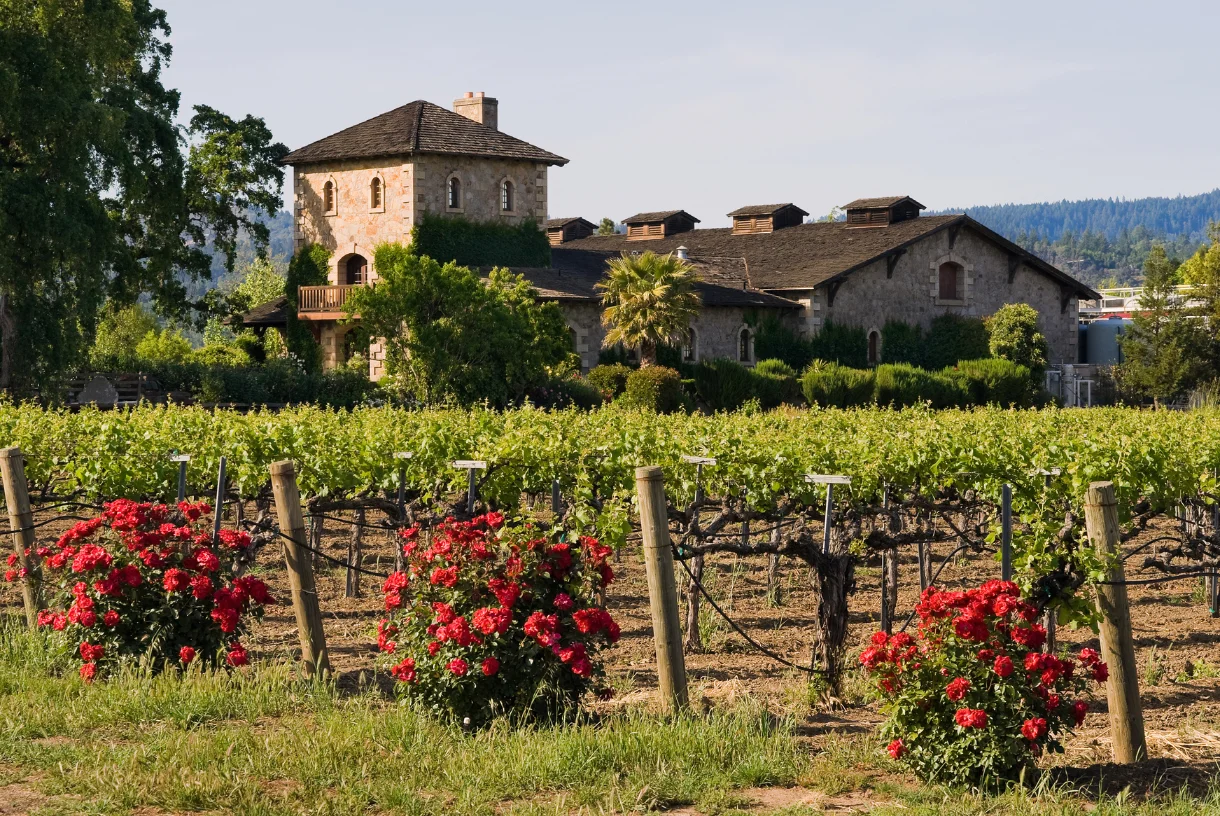
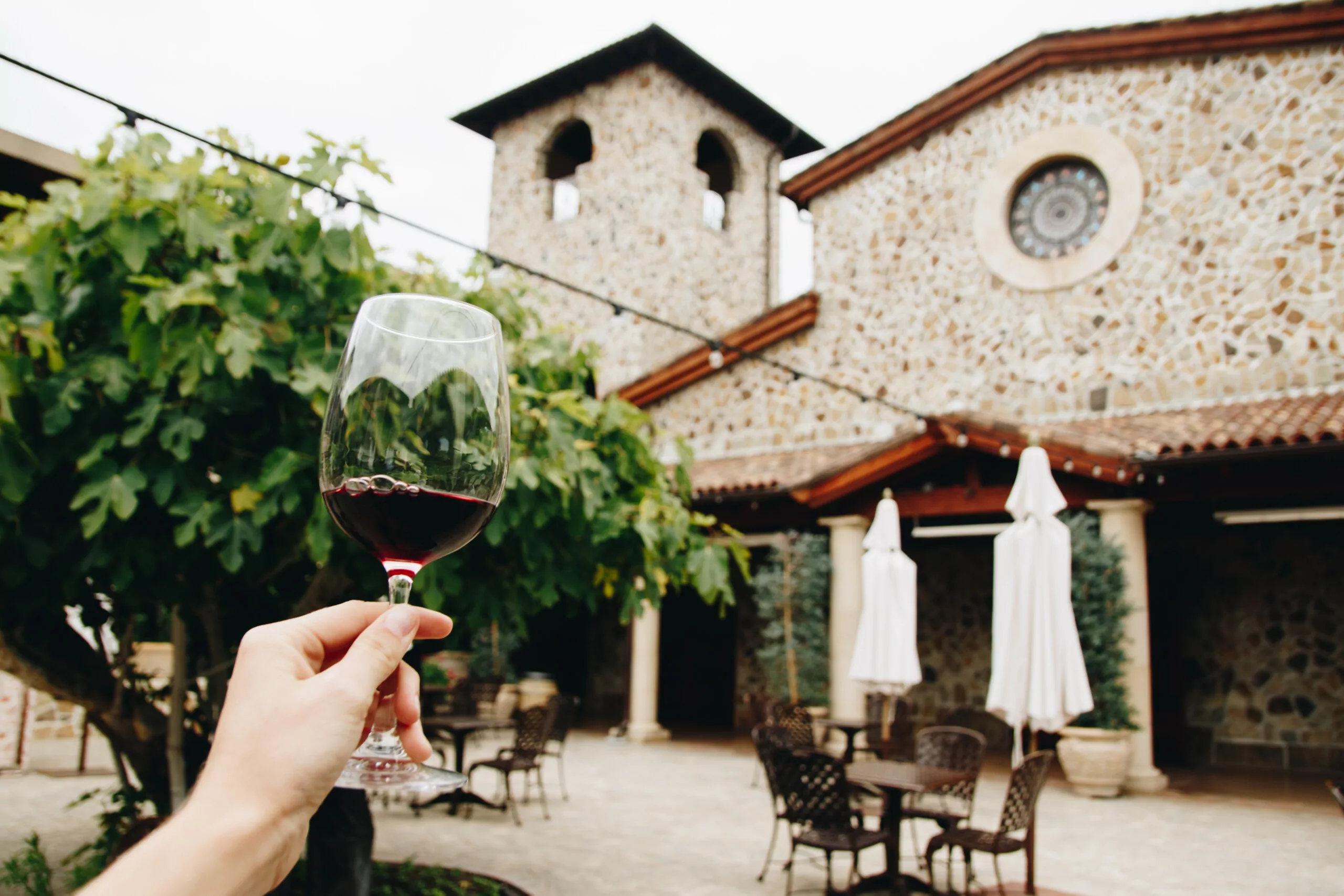
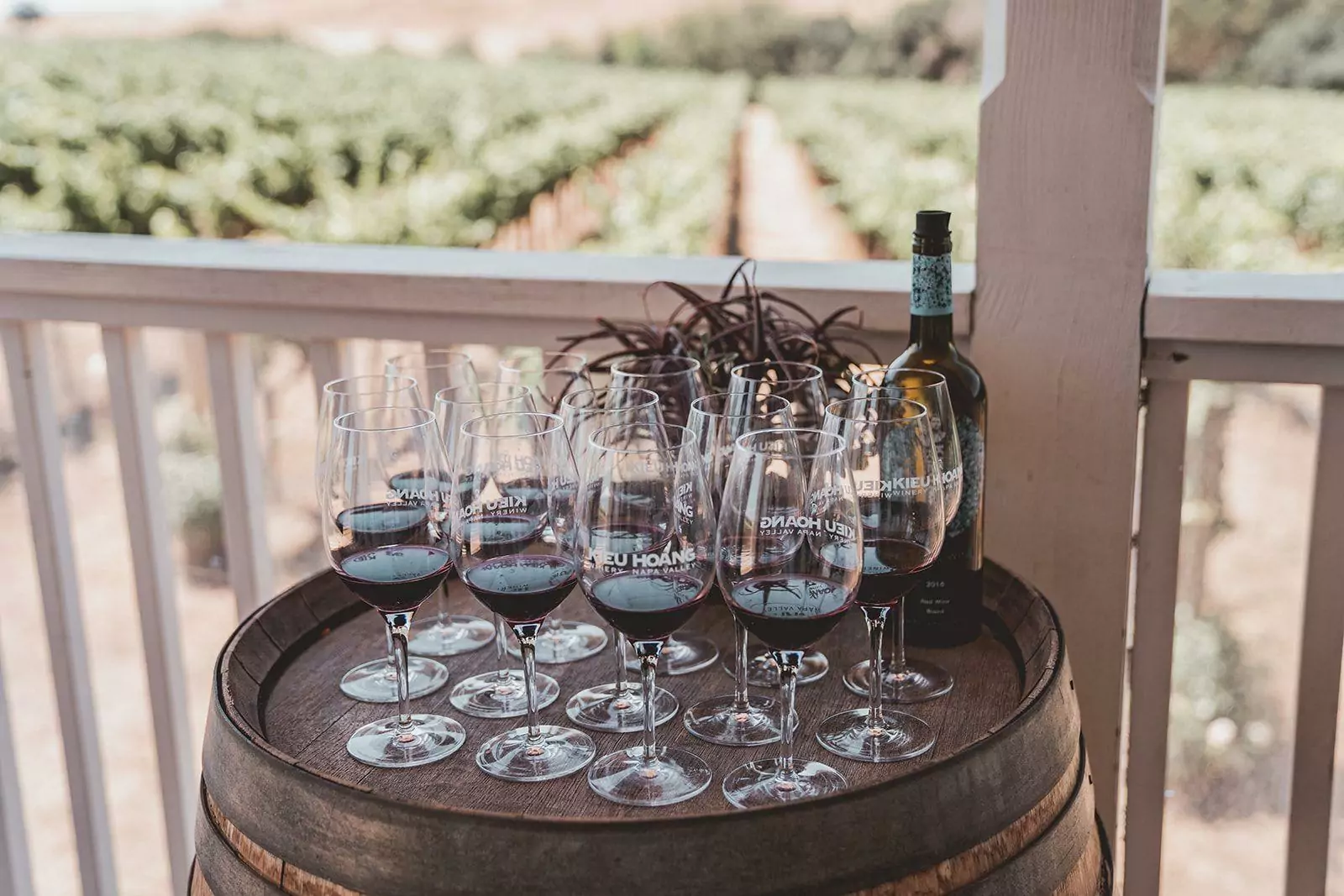
The second stop on your wine tasting tour from San Francisco will be at an elite Napa valley winery. A hand-picked flight of local wines awaits you here. Learn what makes Napa valley wine so special as each selection flows slowly across your tongue. Spend a moment on the wrap around porch with sweeping Napa valley vineyard views, or browse their fine art gallery.
Enjoy lunch and free time at historic Sonoma Plaza
Sonoma wine tours from San Francisco are not complete without a stop in beautiful Sonoma Plaza. This is the perfect place to wine and dine. Pick from several wonderful restaurants, or take a picnic lunch to the lawn for a casual meal closer to nature. To include a gourmet lunch and wine pairing, consider our Redwoods and California Wine Country Tour with Gourmet Lunch tour.
Visit two Sonoma wineries for guided tastings
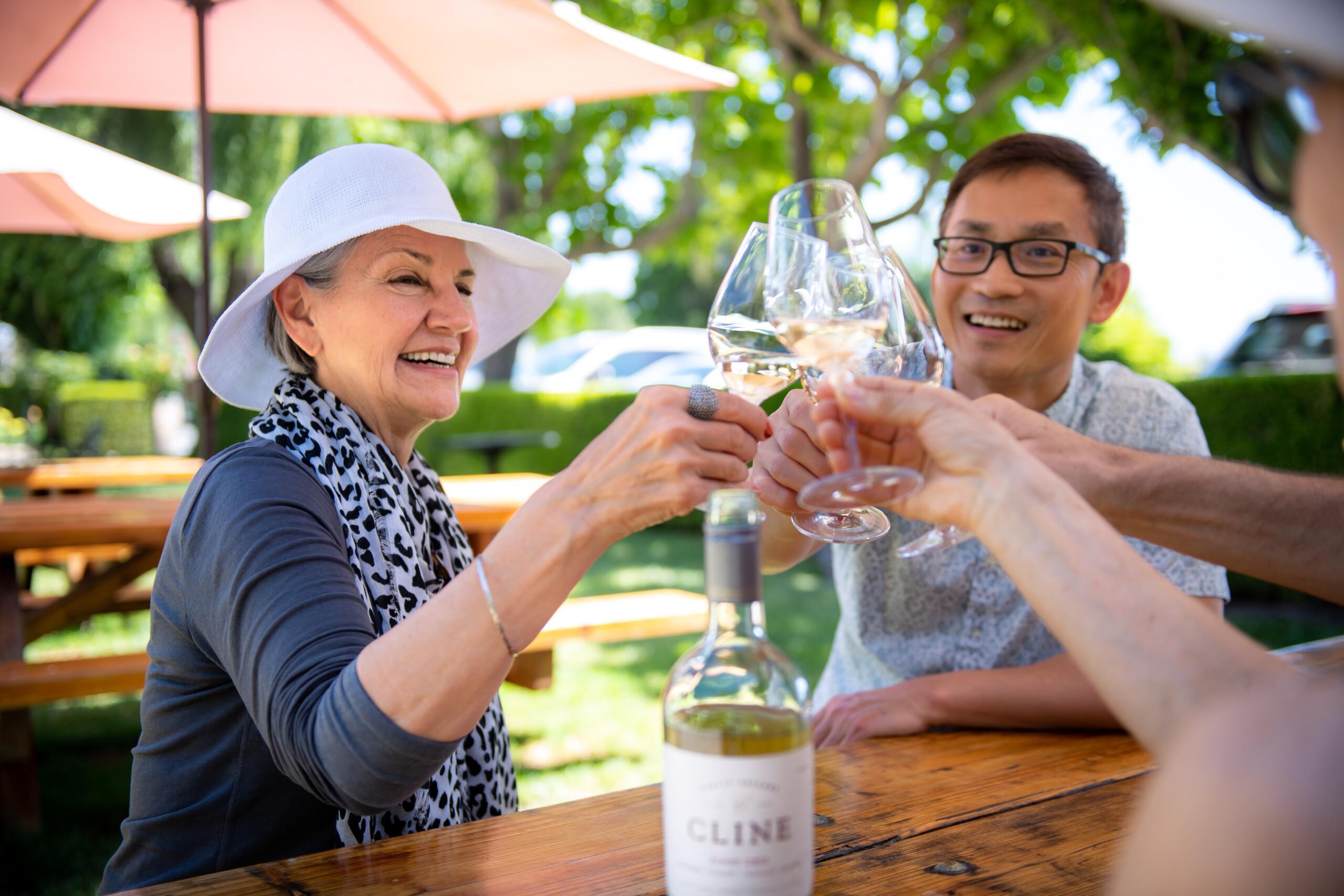
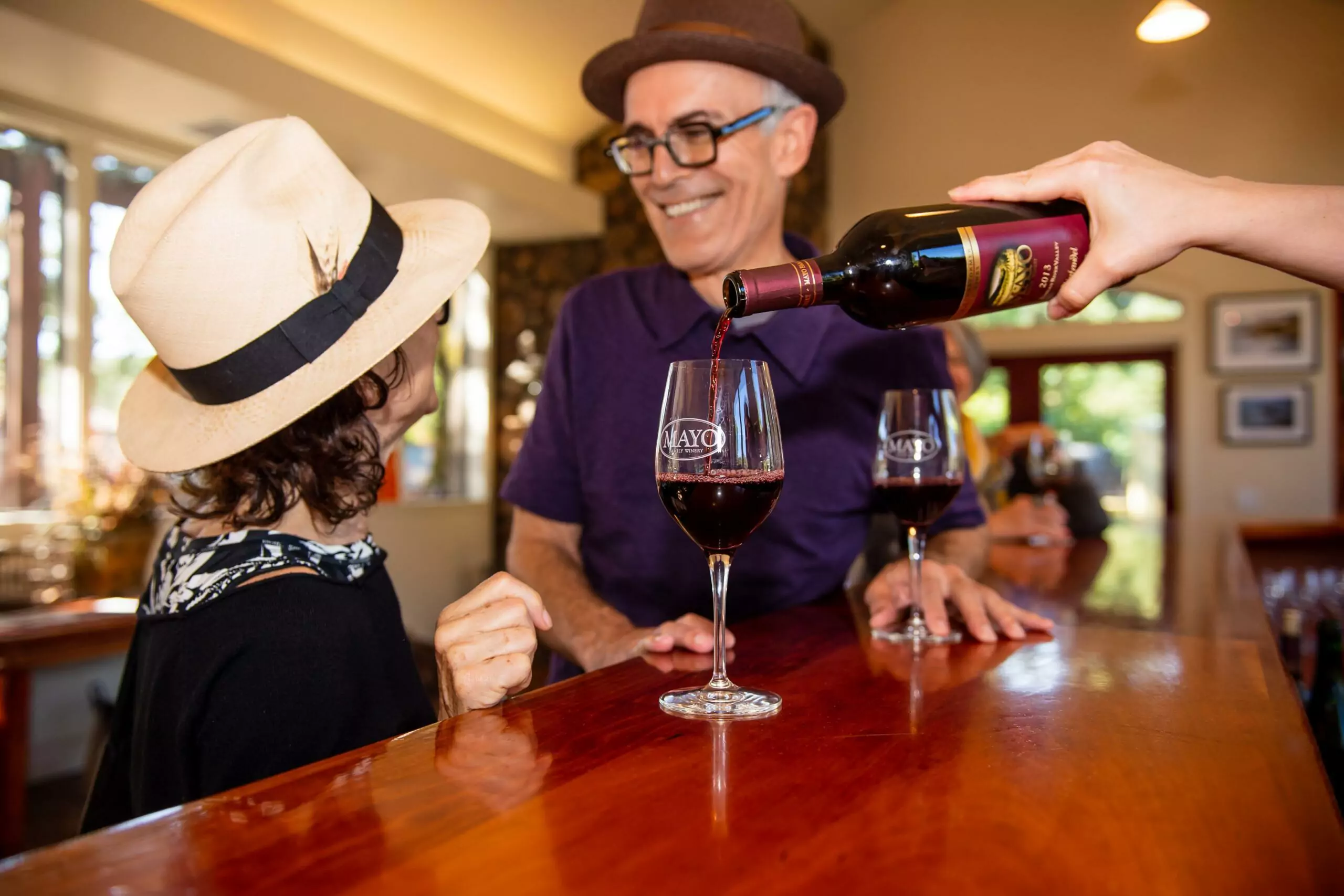
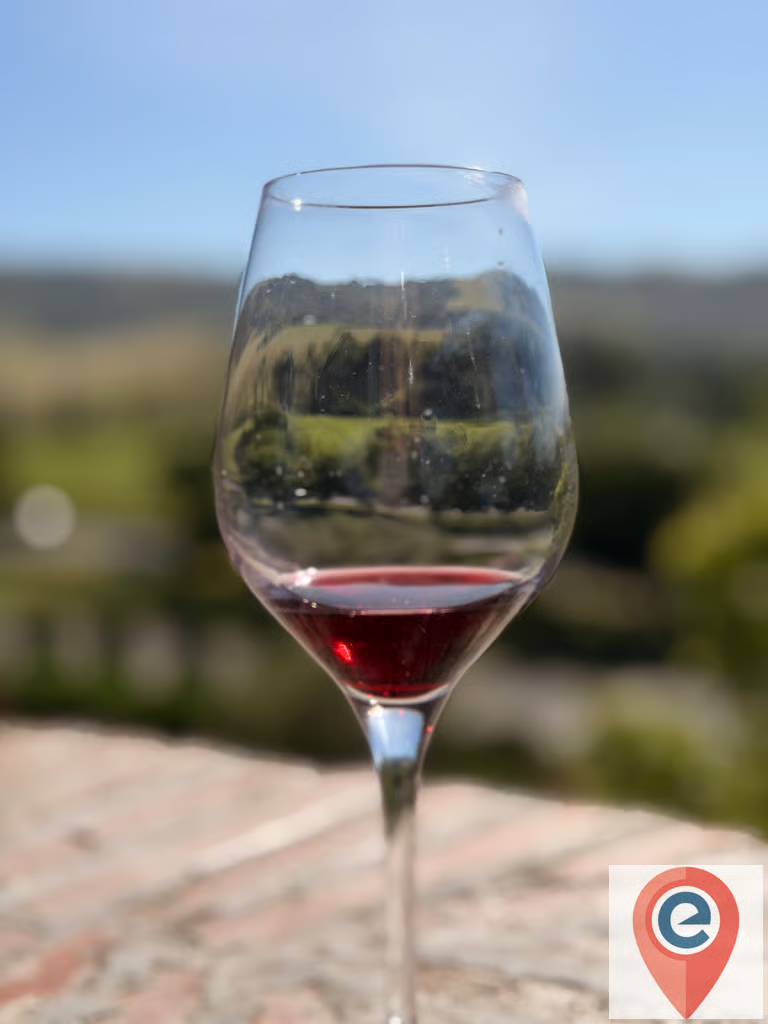
Your Sonoma experience is just getting started! In the afternoon, you’ll visit two family-owned wineries and enjoy tastings in the relaxed atmosphere of Sonoma Wine Country. Learn about the land, winemaking traditions, and estate-grown wines at each stop.
One winery is a small-production vineyard known for its personal stories, while the other features beautiful grounds and a fascinating history. You’ll also have a chance to sample local oils and vinegars in the winery gift shop.
Capture the moment with a photo stop at the Golden Gate Bridge
Your return journey includes a stop at the Golden Gate Bridge Vista Point — one of the most photographed landmarks in the world. Capture views of the San Francisco skyline, the Marin Headlands, the Pacific Ocean, and the bridge itself.
Important Notice: The legal drinking age in the United States is 21. Be sure to bring a valid ID so you can fully enjoy the wine-tasting experience!
Itinerary
- Expand All
-
7:45 AM - 9:00 AM San Francisco Hotel Pickup & Scenic Drive Across the Golden Gate Bridge
-
9:00 AM - 10:00 AM Morning Walk in Muir Woods National Monument
-
10:00 AM - 11:30 AM Scenic Drive North to Napa Valley
-
11:30 AM - 12:30 PM Wine Tasting at Ru Vango Winery in Napa
-
12:45 PM - 2:00 PM Free Time for Lunch at Sonoma Plaza
-
2:00 PM - 3:00 PM Afternoon Wine Tasting at Mayo Family Winery in Sonoma
-
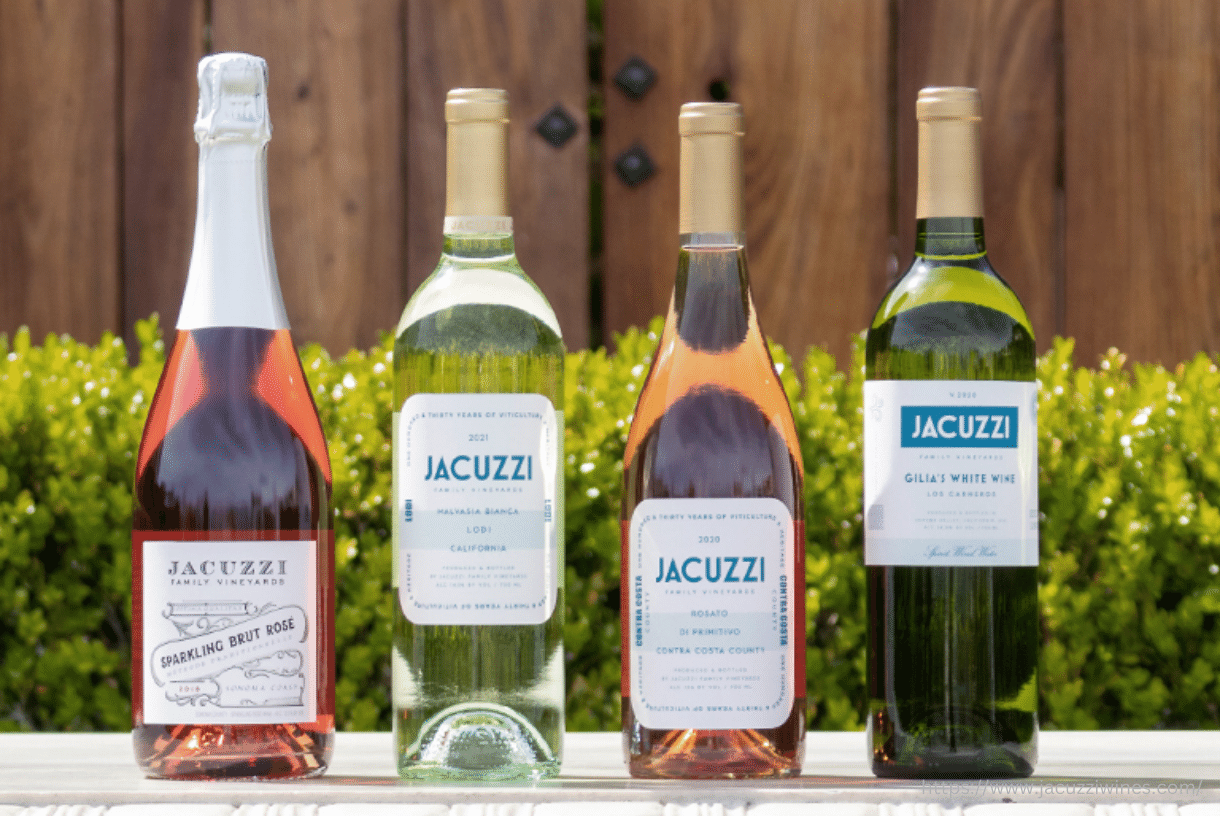
3:30 PM - 4:30 PM Wine Tasting at Jacuzzi Family Vineyards
-
4:30 PM - 6:00 PM Return Drive via Golden Gate Bridge Vista Point Photo Stop
Times listed are approximations. Traffic and unforeseen events can cause delays.
Book With Confidence

Award-Winning Tours & Customer Service

Money Back Guarantee

Worry Free Cancellation

2000+ 5-star Reviews

Award-Winning Tour

460,000+ Happy Guests Since 2002
FAQs
- Expand All
-
Is admission to Muir Woods included?
-
How much time will I spend in Muir Woods?
-
What Napa and Sonoma wineries will I visit for the wine tasting tours from San Francisco?
-
Does this tour go to Napa Valley?
-
Must I bring a valid photo ID for the San Francisco wine tours?
-
Are wine tasting fees included in this San Francisco wine tour?
-
Does the tour stop at the Golden Gate Bridge?
-
Can the wine tasting tour itinerary be done comfortably in a day?
-
Is this wine country tour suitable for children?
-
Do you pick up outside of San Francisco?
-
What should I bring on this wine tasting tour?
-
Are meals included? Where is the stop for lunch?
-
Can we drink alcohol on the bus during the Napa Valley & Sonoma wine tours?
-
What if one of the guests will not be drinking wine during the tour?
-
Is this wine country tour available as a private experience?
Other Popular Tours
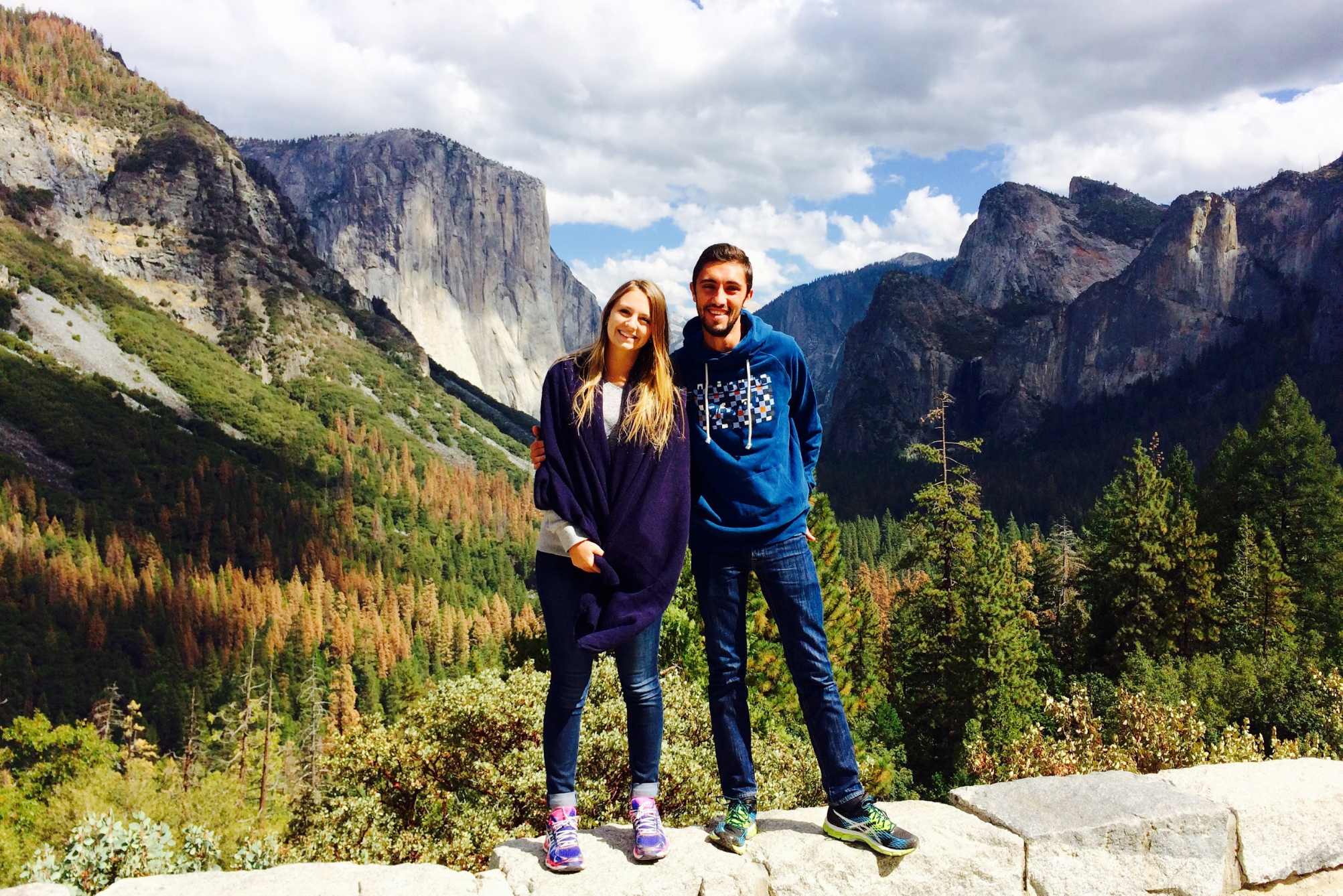
Yosemite and Giant Sequoias One Day Tour from San Francisco
The only 1-day Yosemite National Park tour from San Francisco to deliver more than you dreamed at Half Dome, El Capitan, Yosemite Falls, and on a hike to Giant Sequoias.
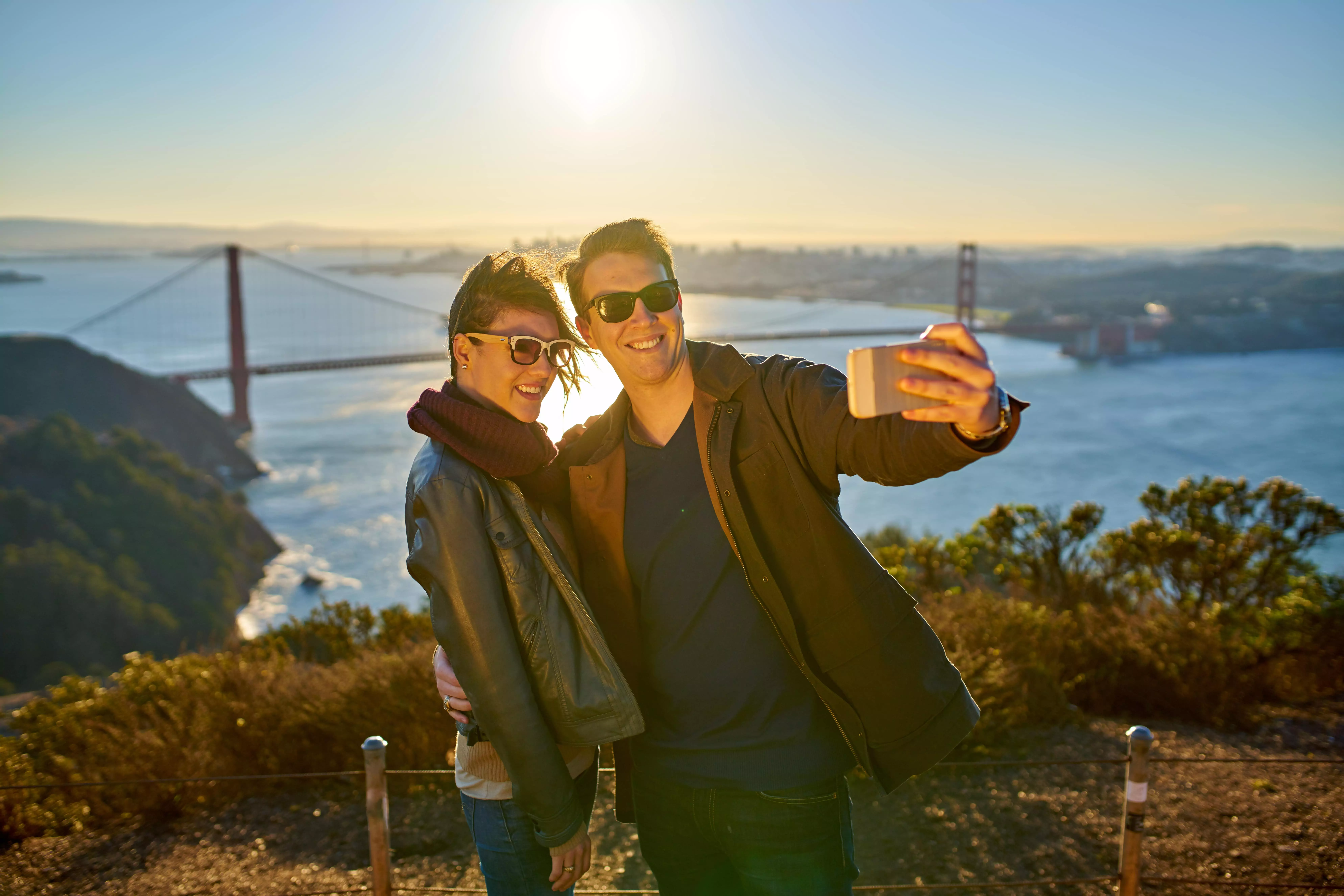
Morning Guided San Francisco Sightseeing Tour
Most complete and entertaining San Francisco city tour available. Stops to explore Golden Gate Bridge, Palace of Fine Arts, Land’s End, and Twin Peaks.