
-
What to Do in Yosemite in Spring: Quick Guide
- 1. Visit Yosemite’s Waterfalls (and Catch a Moonbow!)
- 2. Whitewater Rafting on the Merced
- 3. Photograph Wildflowers
- 4. Hike to the Giant Sequoias
- 5. Hit Yosemite’s Hiking Trails
- 6. Bike to Yosemite’s Top Attractions
- 7. See Mirror Lake While It’s Actually a Lake
- 8. Fishing in Yosemite
- 9. Try Rock Climbing
- 10. Go Stargazing
- 11. What You Probably Can’t (or Shouldn’t) Do in Spring
- New & Unique for Spring 2026
- FAQs
1. Visit Yosemite’s Waterfalls (and Catch a Moonbow!)
Yosemite’s waterfalls are the undisputed stars of any spring visit. Snowmelt from the Sierra Nevada mountains fills the creeks and sends the falls into full roar, typically peaking in May. Due to early warm weather expected in 2026, peak flow could arrive ahead of schedule—possibly by late April. Plan accordingly!
Which is the tallest waterfall?
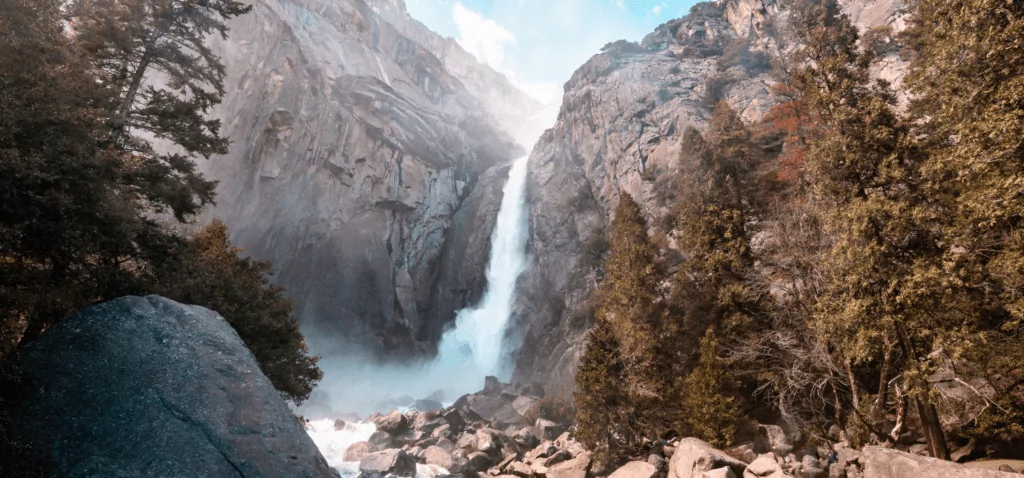
Yosemite Falls. Its springtime rainbows have graced zillions of books, calendars, and social media feeds. “Yosemite Falls” is actually three waterfalls stacked on top of each other: Upper Yosemite Fall, the Middle Cascades, and Lower Yosemite Fall. Together they drop 2,425 feet (739 meters), making this the tallest waterfall in North America. Yosemite Falls is usually at its loudest and most powerful in April and May.
What waterfalls can only be seen in spring?
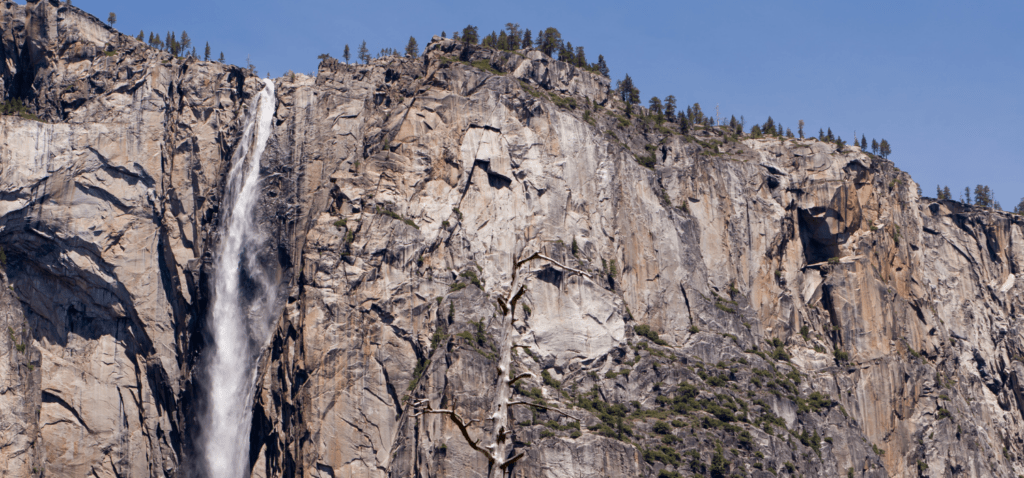
Ribbon Fall. This stunning and often overlooked waterfall drops 1,612 feet (491 meters) but is not normally active in summer or fall. From March through late May, catch Ribbon Fall just west of El Capitan. Get the best views from the road into Yosemite Valley, just past the turn for Bridalveil Fall. Other spectacular seasonal falls to chase include Staircase Falls, Royal Arch Cascade, and Sentinel Falls—all of them hidden from summer visitors
Which waterfall is the most famous?
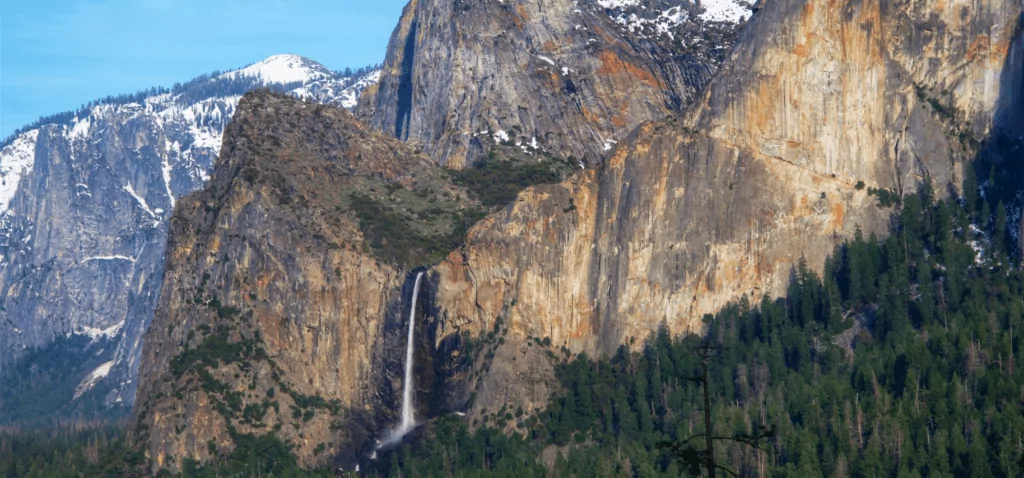
Bridalveil Fall. Arguably Yosemite’s most iconic waterfall, it earns its name when the breeze sways it to look like a 620-foot (189-meter) bridal veil. Bridalveil Fall is often the first waterfall to greet visitors to Yosemite Valley, and in spring it really comes down with power.
Bonus: The Moonbow!
A moonbow is the magical combination of waterfall mist and the angle of a bright full moon, creating an evening rainbow. Spring 2026 has three excellent moonbow windows. The first is March 30–April 3 (around the April 1 Pink Moon), the second is April 29–May 3 (around the May 1 Flower Moon), and the third is May 29–June 2 (around the rare May 31 Blue Moon). Tip: your eyes won’t see the colors at night, but your camera absolutely will.
2. Whitewater Rafting on the Merced
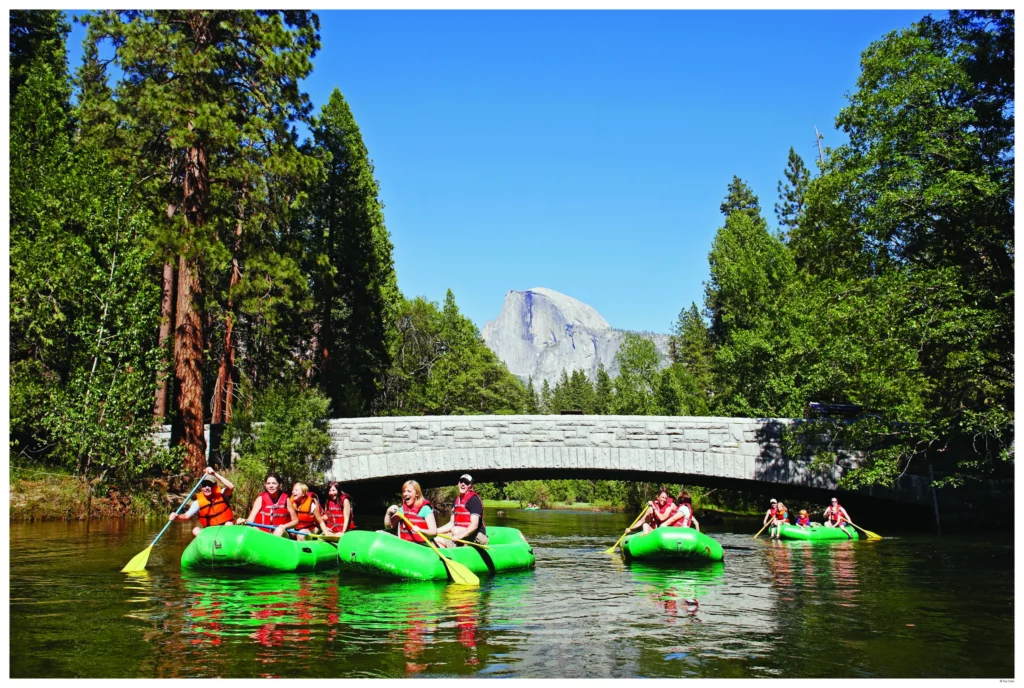
The Merced River that meanders placidly through the valley in summer can be a raging whitewater adventure in spring. Depending on the winter snowfall, rapid levels can range from an adrenaline-pumping Class 2 to a white-knuckle Class 4. Early spring, when snowmelt is highest, means faster water and more excitement—best suited for experienced paddlers. By late spring, the river mellows into an incredible float with jaw-dropping scenery, perfect for families.
You can rent a raft and safety equipment at Curry Village. If you’re a beginner who wants the reassurance of a guide, check out outfitter Sierra Mac for guided trips on the Merced.
3. Photograph Wildflowers
California poppies usually put on a stunning orange show in late April and May. Look for Redbud, Hyacinth, and Lupines at around the same time. You may also spot the bright red stalks of the Snow Plant—striking, but technically a fungus, not a flower!
Mountain Dogwood blossoms are another prized Yosemite Valley sight. The white blossoms on these 10- to 30-foot-tall trees resemble giant butterflies in flight. Look for Dogwoods along the banks of the Merced River on the west end of the valley.
One of the best spots to catch the spring wildflowers is on the Sentinel & Cook’s Meadow Trail. This short, easy loop is perfect for framing flowers with the Swinging Bridge, the crystal-clear Merced River, Yosemite Falls, or Sentinel Rock in the background.
4. Hike to the Giant Sequoias
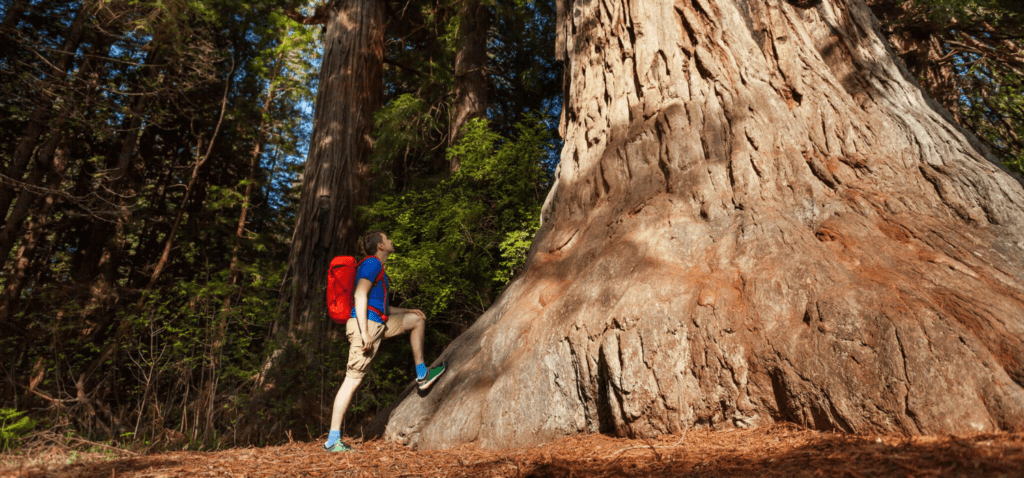
Giant Sequoias are a highlight of any Yosemite visit, and by late March or April, these towering 200-foot (60-meter) redwoods are ready to welcome visitors again after a snow-locked winter. There are several sequoia groves in Yosemite, all breathtaking.
Mariposa Grove has a stand of many mature Giant Sequoias, including the named trees Three Graces, Bachelor, and the oldest in the grove, the Grizzly Giant. Spring weekdays are a great time to find some peace and quiet here before summer hordes descend. The shuttle to the grove typically resumes in spring.
Tuolumne Grove avoids the crowds since visitors need to hike to reach it—a 2.5-mile (4 km) round trip that can be exhilarating on the steep uphill return. A highlight is walking through a fallen tree in the grove. Merced Grove is the least known of the three, home to about 20 mature Sequoias, and a great option for solitude-seekers.
You can visit the Giant Sequoias on Extranomical Tours’ Giant Sequoias and Yosemite National Park 1-day tour from San Francisco.
Featured tours
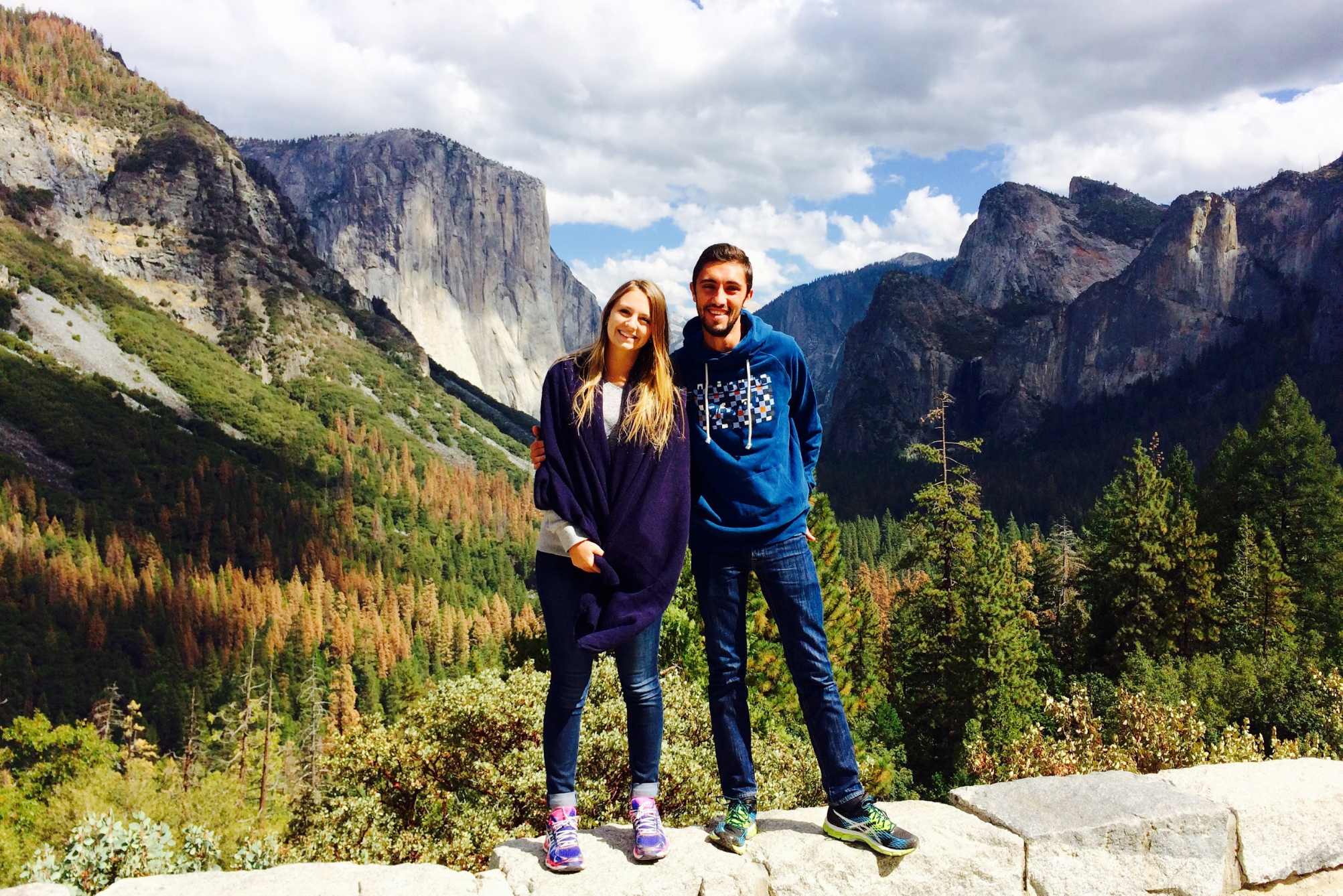
Yosemite and Giant Sequoias One Day Tour from San Francisco
The only 1-day Yosemite National Park tour from San Francisco to deliver more than you dreamed at Half Dome, El Capitan, Yosemite Falls, and on a hike to Giant Sequoias.
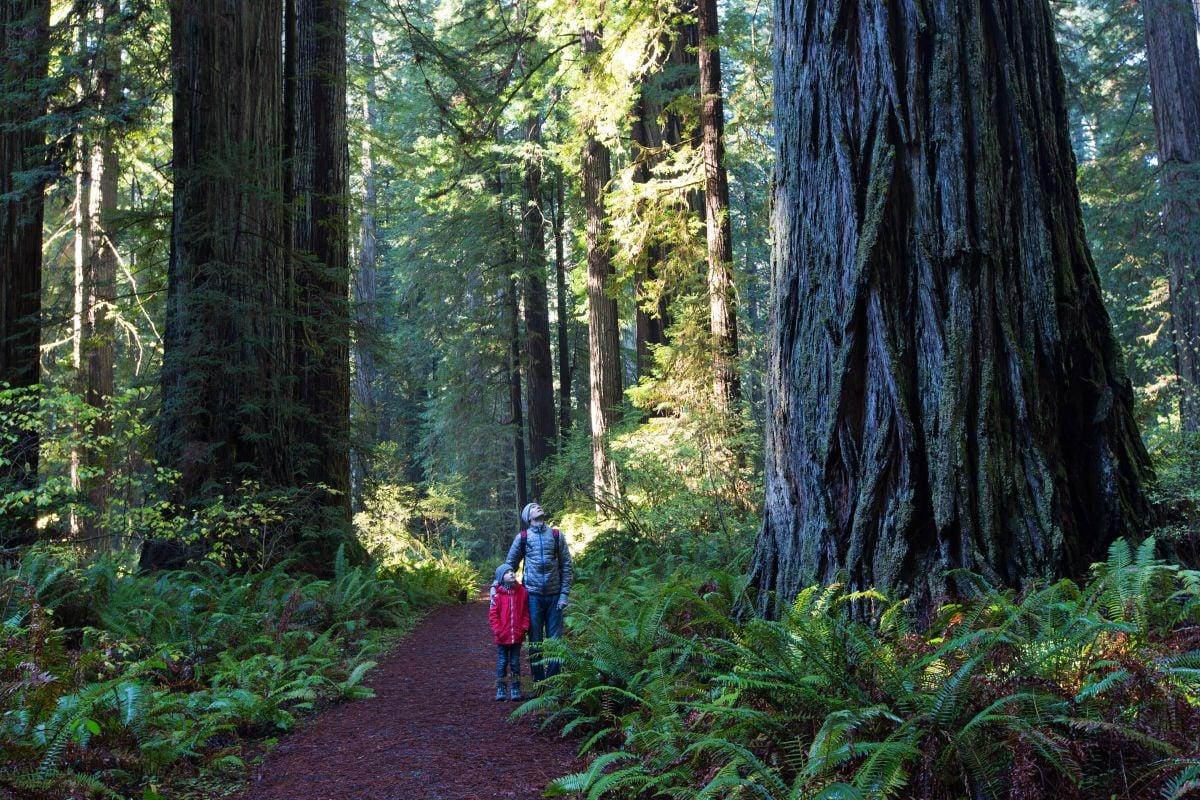
Muir Woods Redwood Forest and Sausalito Morning Tour
This is the only Muir Woods tour with guided audio narration inside the park. Walk under the world’s tallest trees, then enjoy charming Sausalito.
5. Hit Yosemite’s Hiking Trails
With the early warm weather, hundreds of miles of trails throughout Yosemite should open up by April. Before you set out, always check wilderness conditions. Melting snow can freeze overnight and make trails dangerously slippery. Here are the trails most likely to be open first, thanks to their sun exposure and proximity to Yosemite Valley:
Lower Yosemite Falls Trail
This easy 1-mile (1.6 km) round-trip loop meanders through pine and oak forest before opening up to a spot where you can view the picture-perfect falls from top to bottom. Be prepared to share it with many fellow visitors.
Sentinel & Cook’s Meadow Loop
This flat, easy 2.3-mile (3.6 km) path offers several different views of Yosemite Falls and Half Dome, including a stunning reflection from the Swinging Bridge in the calm, spring waters of the Merced River.
The Mist Trail
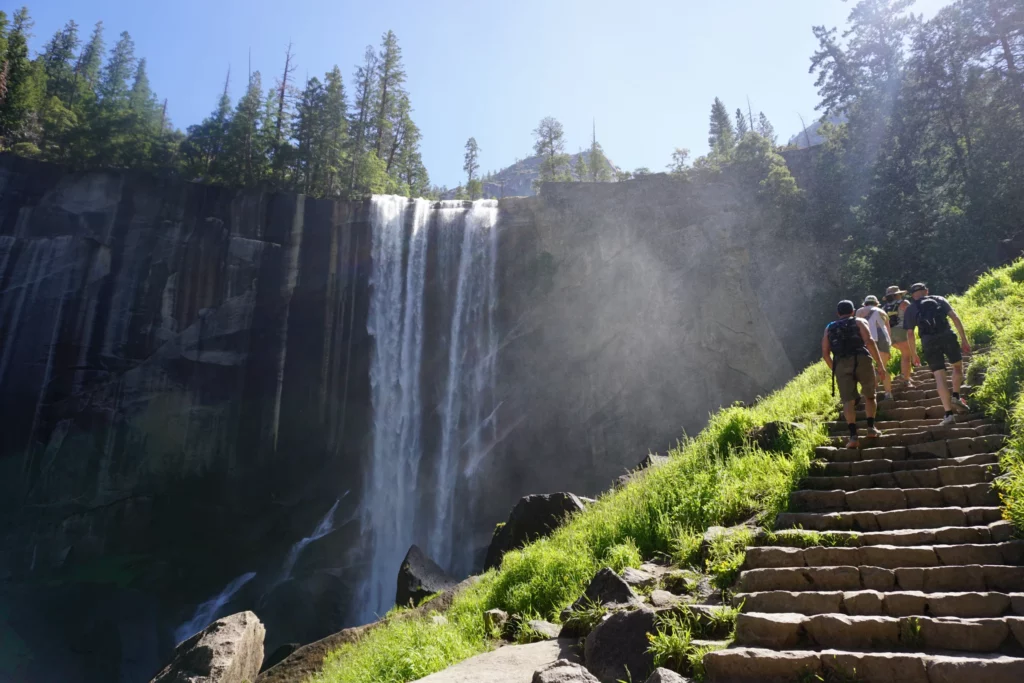
One of the best spring hikes anywhere. The Mist Trail to Vernal Fall challenges hikers with a steep granite stairway of over 600 steps. In spring, be prepared for slippery footing and a full-on waterfall shower—the “mist” from Vernal Fall in May is more like a rainstorm. Rainbows often appear in the spray. Continue another 1.3 miles (2.1 km) on to bag Nevada Fall too. About 5–7 miles round trip depending on where you turn around.
Valley Floor Loop
A surprisingly great way to experience Yosemite at 13 miles total (though you can easily do sections). You pass Yosemite Falls, El Capitan, Bridalveil Fall, and the Merced River. Spring adds rushing rivers, flowering dogwoods, and lush meadows that you simply won’t see in summer.
6. Bike to Yosemite’s Top Attractions
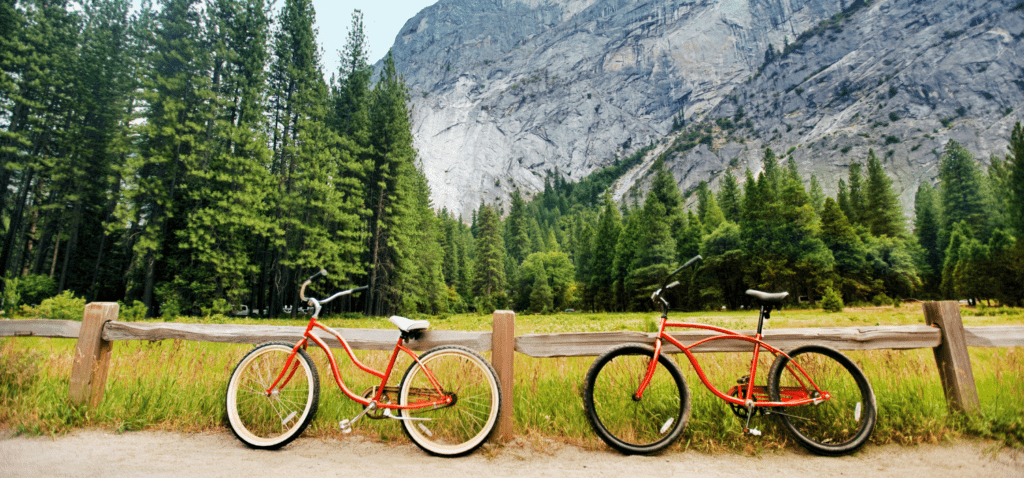
Even in spring, Yosemite Valley traffic can get bogged down. From the seat of a bike, your group can pedal right past the slow-moving vehicles on your way to the sights—and get some great exercise while you’re at it! There are 12 miles of paved, mostly flat biking trails in Yosemite Valley. If it’s clear and dry, try the trail from shuttle stop #17 leading to Mirror Lake. Bike rentals are available at Curry Village. Don’t forget your helmet!
7. See Mirror Lake While It’s Actually a Lake
Here’s a spring secret that most visitors miss: Mirror Lake is a seasonal lake, and spring is the only time it truly earns its name. After the winter snowmelt, the lake fills up and delivers iconic reflections of Half Dome and the surrounding granite cliffs. By late summer, it dries out and becomes a sandy meadow. If you want that perfect mirror-image shot of Half Dome, spring is your window. It’s also a lovely, easy bike or hike from the valley floor.
8. Fishing in Yosemite
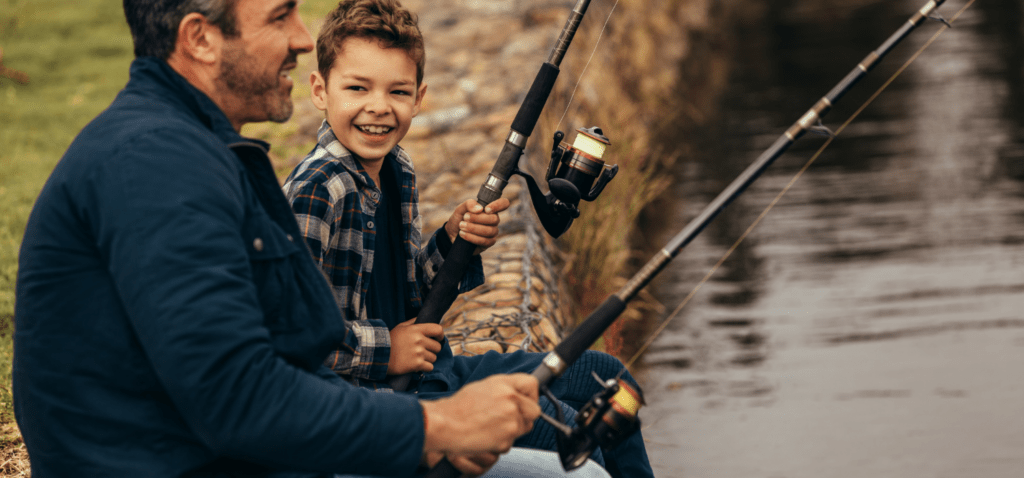
With 770 total miles of permanent streams and creeks in Yosemite, you’ll have no trouble finding a fishing spot all to yourself in spring. Anglers usually find good spring fishing for both rainbow trout (catch and release on the Merced) and brown trout, especially at lower elevations.
The season for stream and river fishing begins on the last Saturday in April. Anglers 16 years of age and older must have a valid California sport fishing license. Check the National Park Service website for the latest licenses and fishing restrictions.
9. Try Rock Climbing
Yosemite Valley is a mecca for rock climbers who want to challenge themselves on the “big walls” of El Capitan and Half Dome. Records are being broken every year. Just getting started? Check out the classes from the Yosemite Mountaineering School and Guide Service at Curry Village. The “Welcome to the Rock” class is a great introduction for beginners.
Important 2026 climbing heads-up: Several popular climbing routes on El Capitan and Arch Rock could be closed from March 1 to July 15 for Peregrine Falcon nesting. Check the NPS closures page before planning your climb.
10. Go Stargazing
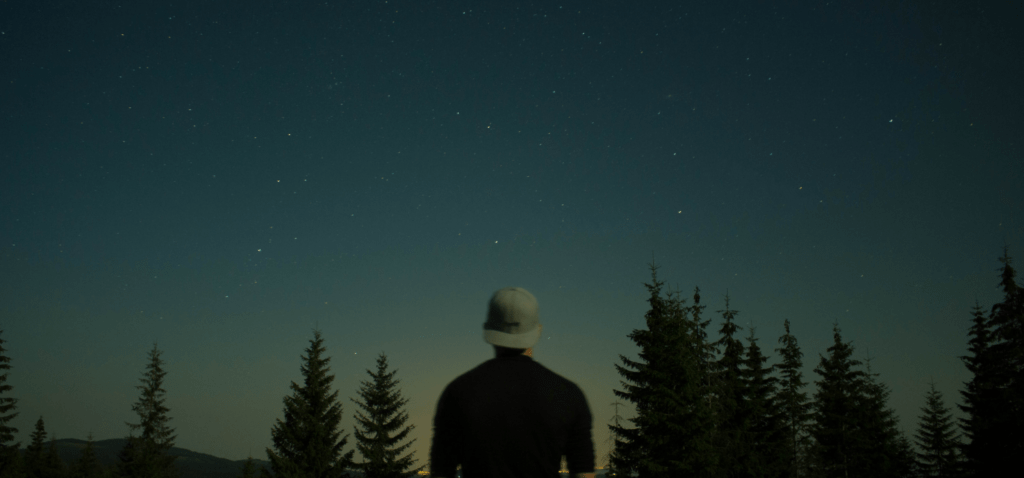
If your group plans to spend several days in Yosemite in April to June, don’t forget the nighttime. Since Yosemite has minimal light pollution, you can find mind-blowing views of the Milky Way on clear spring evenings. Great spots include Glacier Point (when the road is open—typically late May or June), Bass Lake, and Sentinel Dome.
And speaking of Glacier Point—the Geology Hut at Glacier Point is currently closed for renovations in 2026, as the Historic Preservation Crew restores the building for its 100th Anniversary. The point itself remains a spectacular stargazing perch once the road opens.
11. What You Probably Can’t (or Shouldn’t) Do in Spring
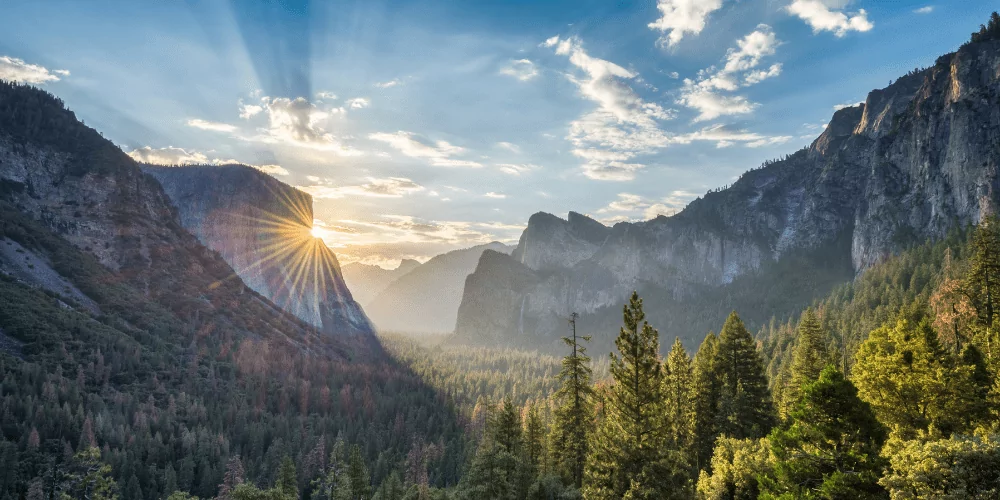
This is the section most spring guides leave out, but it’s just as important as the to-do list! Yosemite in spring is spectacular, but some of the park’s most famous experiences are simply off the table until late spring or early summer.
Tioga Road (Highway 120 East) – Closed
Tioga Road, which crosses the Sierra Nevada at nearly 10,000 feet and gives access to Tuolumne Meadows and the eastern side of the park, is closed due to snow and typically doesn’t reopen until late spring. Your Plan A should focus on the Valley floor and Wawona.
Glacier Point Road – Closed
Glacier Point Road is also closed due to snow and typically reopens around mid-May. Those stunning views of Vernal and Nevada Falls from an altitude of 7,200 feet will have to wait until later in the season. Stargazers and photographers: put this on your list for late May or June.
Swimming in the Merced River – Skip It
The Merced is beautiful in spring—and dangerously cold and fast. Snowmelt keeps water temperatures frigid even on warm days, and currents can be deceptively powerful. Park officials strongly warn against swimming or wading too close to rushing rivers in spring. Save swimming for summer.
New & Unique for Spring 2026
A couple of special new events are debuting in Yosemite this spring:
Inaugural Yosemite Film Festival & Storyteller Summit (May 21–24, 2026)
This brand-new event by the Yosemite Climbing Association takes place right in the Valley and features film screenings, storytelling workshops, and Q&A panels with world-class climbers and filmmakers. A must-see if you’re fascinated by the Stonemaster climbing culture.
YExplore 20th Anniversary Hikes
YExplore Yosemite Adventures is celebrating two decades with a special series of Anniversary Hikes. These guided philanthropic treks donate a portion of proceeds directly to park conservation efforts. A great way to explore Yosemite and give something back at the same time.
To do everything on this checklist of Yosemite spring activities, plan on staying overnight in or near the park for at least two or three days. Extranomical Tours offers a nice variety of multi-day Yosemite overnight tours with accommodations. Find one that’s right for you.
Frequently Asked Questions (FAQs) for Visiting Yosemite in Spring 2026
Do I need a reservation to enter Yosemite in spring 2026?
Good news—entrance reservations are not required to drive into Yosemite in 2026, offering more flexibility than in recent years. You will still need a valid entrance pass, which you can purchase at any of the park’s five entrance stations.
Are there new entrance fees for international visitors in 2026?
Yes, and this is an important change. Starting January 1, 2026, non-U.S. residents aged 16 and older pay a $100-per-person surcharge. The best value for international visitors who plan to visit more than one national park is the $250 America the Beautiful Non-Resident Annual Pass. Bring your photo ID, as residency checks may be required at entrance stations.
When is the best time to visit Yosemite National Park?
Every season has something to offer. Summer brings uninterrupted sunny days for hiking, fall means uncrowded iconic spots, winter creates a magical snowy landscape, and spring delivers a waterfall show unlike anywhere else in the world. For the full spring experience with fewer crowds, aim for March through May.
Where to stay in Yosemite in spring?
The best plan is a lodge in Yosemite Valley where you are within walking distance of hiking trails, restaurants, and visitor centers. Options range from $$$ to $, including the iconic Ahwahnee hotel, rustic tent cabins at Half Dome Village, Yosemite Valley Lodge, and four park campgrounds. Book as far in advance as possible—spring is popular and fills up fast.
What should you bring to Yosemite in spring?
Pack an extra waterproof layer—spring weather can flip from sunny to stormy quickly. With no reliable cell service in much of the park, print copies of maps and permits. Avoid restaurant lines by bringing your own food (and bear-proof canisters). For long hikes, bring a topographic map, compass, gloves, water bottles, headlamp, sunscreen, first aid kit, whistle, and emergency blanket.
What hikes should you take in Yosemite in spring?
In March and early April, many remote trails will still be snow-covered and icy overnight. Safe bets include the Lower Yosemite Falls Trail, Mirror Lake Trail (be careful with ice near Tenaya Creek), the Sentinel & Cook’s Meadow Loop, and sections of the Valley Floor Loop. By late April and May, most Valley trails are fully open and the Mist Trail to Vernal Fall becomes a spring essential.
What is the best way to get to Yosemite in spring?
Visitors from the San Francisco Bay Area most commonly use the Arch Rock gate near El Portal (Highway 140) or the South entry near Fish Camp (Highway 41). From points north and west, use Crane Flat (Highway 120 West). Remember: the Tioga Pass near Lee Vining does not open until late spring—usually late May or June. Carry tire chains and know how to use them in early spring. The YARTS bus service is a convenient and stress-free option if you’d rather skip the parking scramble.
What is the weather like in Yosemite in spring?
Yosemite weather in spring is usually mild and sunny but can be quickly interrupted by late-season rain or even snow, especially at higher elevations. Check the National Park Service website for current road conditions before you go. Average temperatures in Yosemite Valley in April and May range between 69°F (21°C) during the day and 39°F (4°C) at night, so layer up!
Have questions or concerns? Contact us.